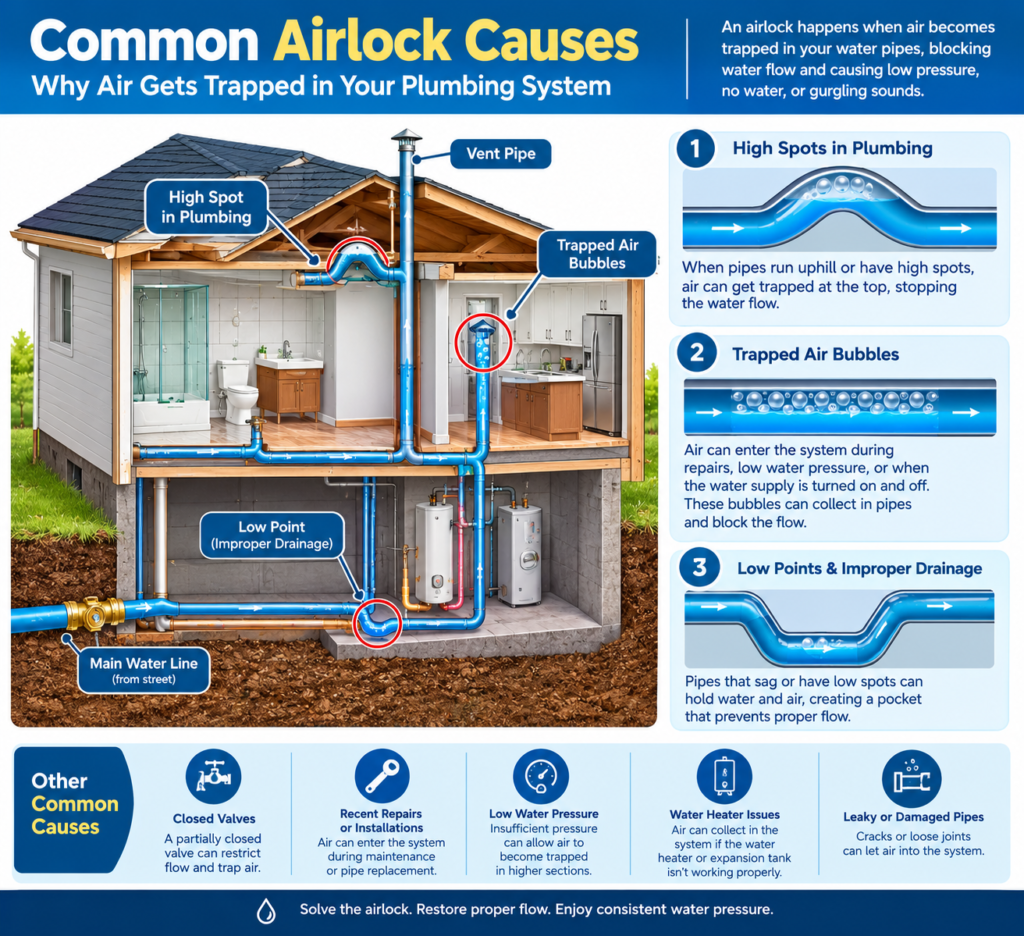
A plumbing leak does not always announce itself with a burst pipe or a puddle. A slow drip behind a cabinet, beneath a floor, or inside a wall can go unnoticed until a water bill rises or a stain appears. The good news: a few careful checks can help you decide whether water is being lost and where to look next.
This guide focuses on safe, non-invasive checks. It does not replace a professional leak inspection when the source is concealed or the damage is spreading.
Common signs of a hidden plumbing leak
Watch for a water bill that is unexpectedly higher than the same period last year, a water meter that changes when the home is not using water, damp or musty smells, new stains, bubbling paint, swollen baseboards, warped flooring, or visible corrosion and mineral deposits around pipe joints. A faint sound of running water when every fixture is off can also be a clue.
One sign alone does not prove that a plumbing pipe is leaking. Condensation, roof leaks, exterior drainage, and appliance problems can create similar symptoms. Look for patterns and use the meter check below before assuming the source.

Image credit: Nastia Petruk on Unsplash.
Step 1: Review your water bill and utility alerts
Compare your latest bill with the same month in the previous year, taking seasonal outdoor watering and changes in household occupancy into account. If your utility offers leak alerts or an online usage dashboard, check it for continuous or unusual consumption. The U.S. Environmental Protection Agency’s WaterSense program recommends regular leak checks and notes that a higher-than-usual bill can be a warning sign.
Start with your water provider if the bill looks unusual. The utility may be able to explain estimated readings, meter changes, or alerts before you begin investigating inside the house.
Step 2: Use the water meter to check for continuous water use
A meter test is a useful first screen for leaks on the water supply serving your home. It can indicate that water is moving somewhere, but it will not identify the exact pipe or fixture.
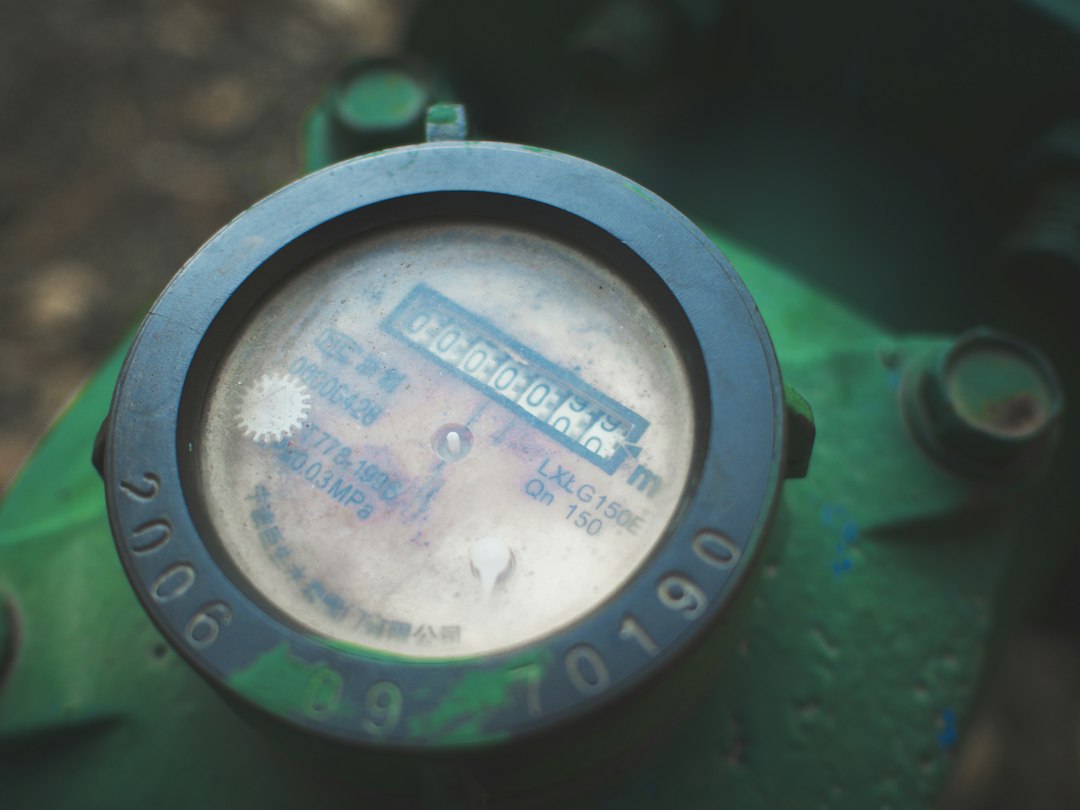
Image credit: Hansong Huang on Unsplash.
How to do the check: First, turn off faucets, showers, toilets, irrigation, and water-using appliances. Make sure the dishwasher, washing machine, ice maker, water softener, and any automatic watering system will not run during the test. Do not use water while you are checking.
Find the meter, which may be in a basement or a covered box near the street. If it is safe and accessible, note or photograph the reading and look for a small leak indicator if your meter has one. Wait about two hours without using water, then read it again. If the reading has changed, the EPA says you probably have a leak. Contact your water utility if you cannot safely access or interpret the meter; do not enter a roadway or handle a heavy or damaged meter cover.
If the meter has not moved, that is reassuring, but it does not rule out every intermittent leak. Repeat the check when the unusual water use is occurring, or ask a plumber about further testing if you still see dampness or damage.
Step 3: Inspect visible fixtures and appliance connections
Use a flashlight and dry paper towel to check accessible connections. Look beneath kitchen and bathroom sinks, around toilet supply valves and tanks, at showerheads and tub spouts, around the water heater, and at the visible supply hoses and shutoff valves for the dishwasher, refrigerator, and washing machine. Check the floor and cabinet base as well as the pipe itself; a small leak may run along a surface before it drips.
For a toilet that may be leaking silently, add a few drops of food coloring to the tank and wait about 10 minutes without flushing. If color appears in the bowl, the tank seal or flapper may be leaking. Flush afterward to avoid staining. See our guide to common causes of a running toilet for more troubleshooting.
At the laundry area, inspect the hose connections and the floor behind the washer without pulling a heavy machine by its hoses. Our washing machine hose replacement guide explains what to look for when hoses are cracked, bulging, or corroded.
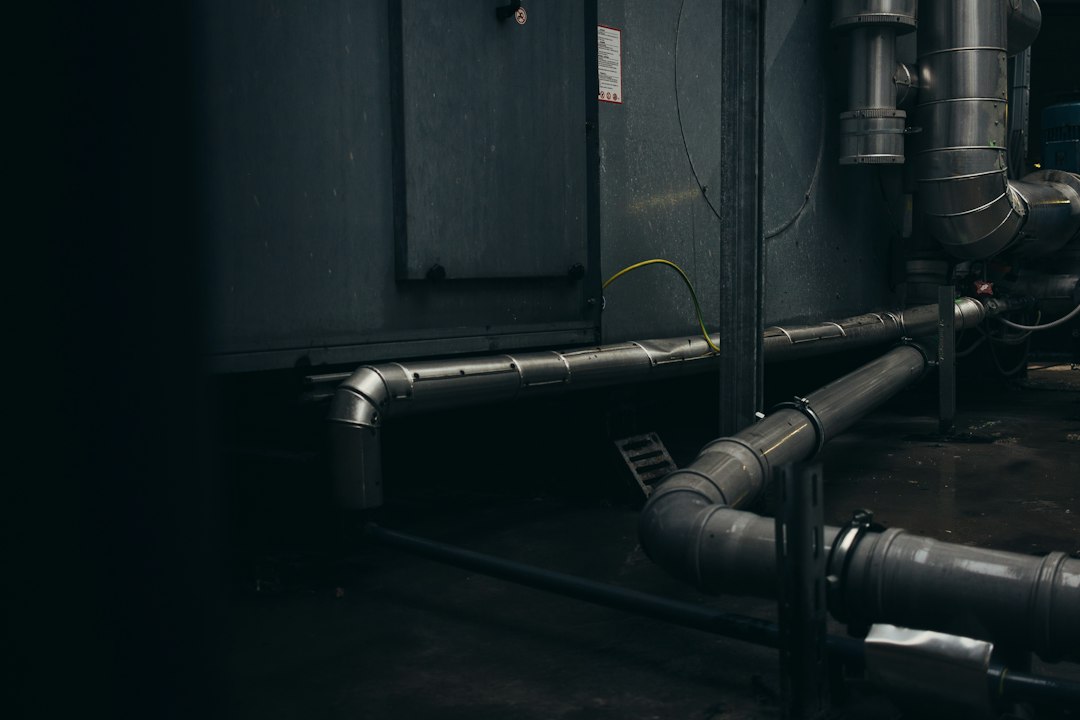
Image credit: Mykyta Martynenko on Unsplash.
Step 4: Check walls, ceilings, floors, and accessible spaces
Look for fresh discoloration, peeling or bubbling paint, soft drywall, swollen trim, damp carpet edges, or repeated moisture in the same area. In a basement or crawlspace, inspect only areas you can reach safely; use a flashlight and do not crawl into a confined, wet, or unsafe space. A musty smell can be a reason to investigate, but it does not tell you whether the moisture came from plumbing, condensation, or outside water.
Do not cut into a wall, remove ceiling panels, or drill into a floor just to search for a leak. Hidden pipes may be near wiring or other services, and opening a wet assembly can make damage worse. If a ceiling is sagging, actively dripping, or wet near a light fixture, keep people clear. Do not touch wet electrical equipment or switches; shut off power only if you can reach the breaker safely from a dry location, and call the appropriate professional.
Step 5: Know when to shut off the water and call a plumber
Call a licensed plumbing professional if the meter changes while all water use is stopped and you cannot find a visible source, if moisture keeps returning, or if you suspect a leak inside a wall, under a slab, or near the water heater. A professional can use appropriate diagnostic equipment to narrow down the location without unnecessary demolition.
If water is actively escaping, shut off the home’s main water supply if you can do so safely. Keep clear of electrical hazards and move belongings away from the wet area only when it is safe. If you are unsure where the valve is, use our guide to finding your main water shut-off valve. Renters should promptly notify the property manager or owner as well.
After the source is repaired, dry wet materials promptly. EPA guidance says drying wet or damp areas within 24 to 48 hours after a leak or spill can help prevent mold growth in most cases. If water damage is extensive, the water may be contaminated, or mold is hidden in a wall or ceiling, use an experienced remediation professional rather than disturbing the area yourself.
Can a leak detector help?
Yes. Moisture sensors can alert you when water reaches a monitored spot, while flow-monitoring devices look for unusual water-use patterns. Some systems can also operate an automatic shutoff valve. They are useful as an added layer of protection, not a substitute for checking visible connections or responding to a warning. Follow the manufacturer’s placement and maintenance instructions, and test the system regularly.
Frequently asked questions
Can a small hidden leak increase my water bill?
Yes. A leak that continues between normal household uses can add to measured consumption over time. Compare bills across similar months and use the meter test to check for continuous flow.
Does a moving water meter always mean a pipe is leaking?
Not always. An appliance, irrigation controller, water softener, or other automatic device may be using water. Repeat the test after confirming that all water use is stopped. If the meter still changes, contact the utility or a plumber.
Should I open the wall to find a suspected leak?
No. Start with the meter and visible inspections. A plumber can determine whether specialist leak detection is needed and where access should be made.
Keep small leaks from becoming major repairs
Check your water bill, learn where your meter and main shut-off valve are, and inspect accessible fixture and appliance connections periodically. If the meter test points to unexplained water use or moisture keeps returning, arrange a professional inspection rather than waiting for a stain or puddle to grow.
Sources and further reading
U.S. EPA WaterSense: Home Maintenance — household leak checks, water-meter readings, and fixture inspections.
U.S. EPA WaterSense: Leak Detection and Flow Monitoring Devices — how moisture sensors and flow monitors can help identify unusual water use.
U.S. EPA: A Brief Guide to Mold, Moisture and Your Home — moisture control, drying, and when hidden mold needs professional attention.