
A toilet that keeps running after a flush is more than an annoying sound. Water may be slipping from the tank into the bowl, or the fill valve may be allowing water to rise too high. The good news is that several common causes can be identified with a few careful checks. This guide explains how to diagnose a running toilet, what homeowners can safely adjust, and when to call a plumber.
What makes a toilet keep running?
Most standard tank toilets use a flush valve or flapper to release water into the bowl and a fill valve to refill the tank. After the flush, the seal closes and the fill valve shuts off when the tank reaches its set water level. If the seal leaks, the chain interferes with it, or the fill valve does not stop correctly, the toilet may run continuously or refill for a few seconds every few minutes.
Common causes of a running toilet
1. A worn or poorly seated flapper or canister seal
The rubber flapper or canister seal covers the flush-valve opening at the bottom of the tank. Mineral deposits, wear, distortion, or debris can prevent it from sealing. Water slowly escapes into the bowl, and the fill valve periodically turns on to replace it.
2. A flush-handle chain that is too tight or tangled
The chain connects the handle lever to the flapper. If it is too tight, it can hold the seal slightly open. If it is excessively loose, it can slip under the flapper and stop it from closing. The chain should move freely and have a small amount of slack when the seal is closed; use the toilet or replacement-part instructions for the correct adjustment.
3. The tank water level is too high
If the float or fill-valve adjustment is set too high, water can spill into the overflow tube. The fill valve may continue running even though the tank is already full. The correct water level varies by toilet and fill-valve design, so use the manufacturer’s marked water line or model instructions rather than guessing.
4. A fill valve that is dirty, worn, or incorrectly adjusted
Sediment can interfere with the fill valve’s shutoff mechanism. A damaged or worn valve may also fail to stop the incoming water. On some toilets, a refill tube that is positioned incorrectly can contribute to a slow tank leak through siphoning. Check the toilet manufacturer’s guidance for the correct tube and clip position.
How to find the cause and stop the running
- Listen and look before changing anything. Remove the tank lid carefully and place it on a stable towel or protected surface. Watch a complete flush and refill. Identify the flapper or canister seal, chain, float, fill valve, refill tube, and overflow tube. Keep hands clear of moving parts while the toilet is flushing.
- Do a simple dye test. Add a few drops of food coloring or a toilet leak-detection dye tablet to the tank water. Do not flush. Wait 5 to 10 minutes, then look in the bowl. If colored water appears in the bowl, water is leaking past the flapper or flush-valve seal. Flush the toilet after the test so dye does not sit in the bowl and stain it.
- Check the handle and chain. Make sure the handle returns freely and the chain is not caught under the seal or wrapped around another part. Adjust the clip by one link at a time if needed, leaving a little slack when the seal is closed. Flush and observe whether the seal drops fully into place.
- Inspect the flapper or canister seal. If you need to reach into the tank, turn off the toilet’s water supply first and flush to lower the tank water. Check for visible cracks, warping, slime, or mineral buildup. A gently cleaned seal may reseat if debris is the problem. Replace a deteriorated seal with a part that matches the toilet’s flush-valve style and model. Not all flappers and canister seals are interchangeable.
- Check the water level and overflow tube. During refill, watch whether water reaches or spills into the top of the overflow tube. If it does, adjust the float or fill valve only as described in the toilet or valve manual. The water should stop at the manufacturer’s specified level below the overflow opening.
- Check the refill tube position. Confirm the small refill tube is secured by its clip and routed as the manufacturer specifies. Do not push it down into the standing tank water. Incorrect positioning can cause siphoning on some designs.
- Test the result. Replace the lid only after the tank is refilling and shutting off normally. Flush two or three times, watching that the seal closes, the tank reaches its normal level, and the fill valve stops. Repeat the dye test if you still suspect a slow leak.
When should you turn off the water?
If the toilet is running continuously, you can usually stop the flow temporarily by gently turning the toilet’s local shutoff valve clockwise. Do not force a valve that is stuck, badly corroded, or beginning to leak. If it will not close, use the home’s main shutoff only if you can operate it safely. Our guide explains how to find your main water shut-off valve before an emergency.
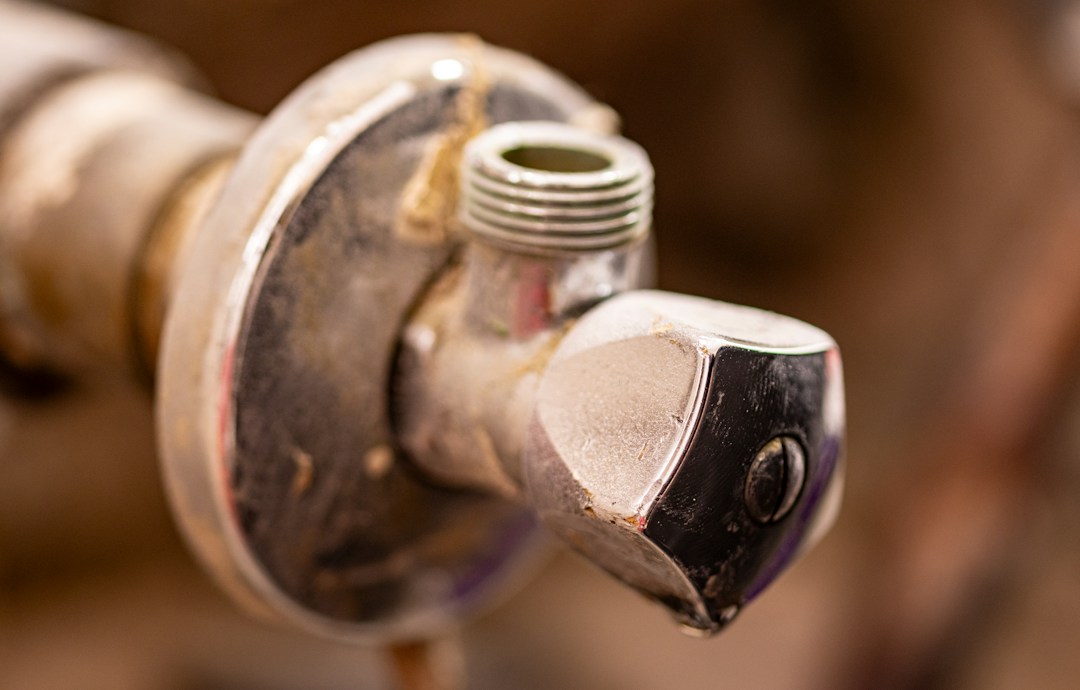
If water is leaking onto the floor, around the supply connection, or from a cracked tank or bowl, shut off the supply if possible, keep the area dry, and arrange a repair promptly. Never force a brittle plastic fitting or a seized metal valve.
When to call a plumber
- The toilet’s shutoff valve will not turn or begins leaking when operated.
- The tank, bowl, mounting bolts, or supply connection is cracked or leaking externally.
- The fill valve continues running after the manufacturer’s adjustment and cleaning steps.
- The toilet uses an unfamiliar or proprietary flush mechanism and the correct replacement part is unclear.
- You have replaced or adjusted the seal and fill valve but the toilet still refills by itself.
A constantly running toilet is different from a toilet that gurgles, drains slowly, or has a weak flush. Those symptoms can involve drain or venting problems; see our guide to common toilet venting problems if that better describes what you are experiencing.
How to help prevent the problem from returning
- Check the tank periodically for a chain that has slipped, a seal that is visibly deteriorating, or water entering the overflow tube.
- Use replacement parts that match the toilet model and flush-valve design.
- Avoid drop-in tank cleaners unless the toilet manufacturer confirms they are compatible; some cleaning chemicals can shorten the life of rubber components.
- After any adjustment, observe a full flush and refill rather than assuming the noise has stopped for good.
Frequently asked questions
Why does my toilet stop running and then start again?
A slow leak from the tank into the bowl can lower the tank water level. The fill valve switches on to replace the lost water, then switches off until the level drops again. A dye test can help confirm a leaking flapper or flush-valve seal.
Can a running toilet increase my water bill?
Yes. Water that continually escapes from the tank is still passing through your water meter, even if you do not see a puddle. Fixing the cause promptly can prevent unnecessary water use.
Should I replace the flapper and fill valve at the same time?
Not automatically. Test the seal, inspect the chain, and watch the water level first. Replace the part that is worn or failing, and follow the toilet manufacturer’s instructions. If both components are old or damaged, a compatible repair kit may be appropriate.
Is a little water movement in the bowl normal?
After a flush, water should settle. A continuing ripple or a faint trickle can indicate water entering the bowl from the tank. Check for a leaking seal or an incorrectly positioned refill tube.
Manufacturer and water-efficiency references
- U.S. EPA WaterSense: Free of Leaks technical sheet — includes the toilet dye-test protocol.
- KOHLER: How to Fix a Running Toilet — inspection and adjustment guidance for common tank components.
- KOHLER: Toilet Constantly Leaking or Running — fill-valve, chain, and water-level troubleshooting.
- KOHLER: Tank Leak — Fill Valve Hose Position — refill-tube placement and siphoning information.
Conclusion
When a toilet keeps running, start with the simple checks: test for a leaking seal, inspect the handle chain, and watch the tank water level as it refills. Adjust or replace only the component that the diagnosis points to, using model-specific instructions. If a shutoff valve is stuck, water is escaping outside the tank, or the repair is unclear, stop and call a plumber rather than forcing a fitting.