
A toilet that gurgles, drains slowly, or produces an unpleasant sewer smell may have more than a simple clog. The plumbing vent system plays an important role in maintaining air pressure inside the drain system and helping wastewater flow properly. When the vent becomes blocked, damaged, poorly designed, or incorrectly installed, several bathroom plumbing issues can appear at once.
This guide explains the most common toilet venting problems, the signs to watch for, what causes them, and the appropriate ways to address them. It also explains when a basic inspection may be enough and when professional plumbing service is needed.
How Does a Toilet Vent Work?
A toilet vent is part of the drain, waste, and vent system in a home. The vent pipe allows air to enter the drainage system as wastewater moves through the pipes. This helps balance pressure and allows water to flow smoothly toward the sewer or septic system.
The vent also helps prevent the water inside plumbing traps from being pulled out by negative pressure. These water seals are important because they help prevent sewer gases from entering indoor spaces.
Plumbing codes require properly designed vent systems, although the exact requirements can vary by jurisdiction and system design.
When the vent system cannot provide adequate airflow, toilet venting problems can affect more than the toilet itself. Sinks, showers, tubs, and other connected fixtures may also show symptoms.
Common Toilet Venting Problems
1. Blocked Toilet Vent Pipe
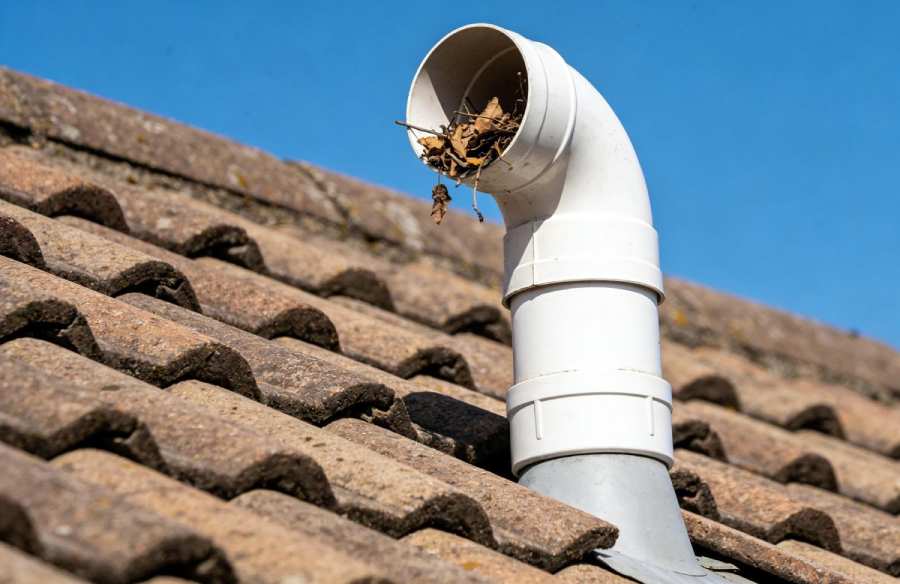
A blocked vent pipe is one of the most common causes of vent related toilet issues. Leaves, twigs, animal nests, dirt, and other debris can enter an open vent pipe. In colder regions, ice can also restrict the opening.
When the vent is blocked, air cannot move freely through the plumbing system. This can create pressure changes that interfere with normal drainage.
Common signs include:
• Gurgling after flushing
• Slow drainage
• Bubbling or movement in the toilet bowl
• Unpleasant sewer odors
• Water level changes in the bowl
• Multiple fixtures draining poorly
These symptoms are commonly associated with blocked plumbing vents.
How to fix it: If the vent opening is safely accessible, it can be inspected for visible debris. A professional plumber can clear deeper blockages using appropriate equipment. Roof access should not be attempted if the surface is unsafe.
2. Gurgling Toilet
A gurgling toilet is often an early warning sign that air and water are not moving correctly through the drainage system. When proper venting is restricted, draining water may create negative pressure and pull air through the toilet trap, producing the familiar gurgling sound.
However, gurgling does not automatically mean the vent is blocked. A partial drain clog can create similar symptoms.
How to fix it: Start by checking whether the toilet has a localized clog. If plunging does not resolve the issue and other fixtures also gurgle or drain slowly, the vent or a larger drain line may need to be inspected.
3. Slow Toilet Drainage
A toilet that empties slowly may have a partial blockage, but poor venting should also be considered when there is no obvious obstruction.
A properly functioning vent allows air to enter the drainage system as water moves through it. If that airflow is restricted, drainage can become sluggish.
How to fix it: Determine whether the problem affects only the toilet or several fixtures. If only one toilet is affected, a local drain obstruction may be more likely. If the sink, shower, or other nearby fixtures are also slow, the problem may involve the shared drainage or vent system.
4. Sewer Gas Smell in the Bathroom
Persistent sewer odors should not be ignored. A plumbing vent helps direct sewer gases outside the building while maintaining proper pressure within the drainage system.
A damaged or blocked vent can contribute to pressure problems that affect water seals in traps. Once a trap loses enough of its water seal, unpleasant sewer odors can enter the home.
How to fix it: Check for dry traps, damaged plumbing connections, and visible drainage issues. If the smell continues, professional inspection is recommended because the source may not be the toilet itself.
5. Improperly Sized or Designed Vent
Not every vent problem is caused by debris. A plumbing system can also experience problems when the venting arrangement was incorrectly designed, undersized, improperly connected, or altered during remodeling.
Inadequate venting can cause recurring drainage problems even when the vent pipe itself is completely clear.
How to fix it: This type of issue generally requires a professional assessment. The plumber may need to inspect the existing drain and vent layout and determine whether additional or correctly sized venting is necessary. Plumbing code requirements should be checked before modifying the system.
6. Faulty Air Admittance Valve
Some plumbing systems use an air admittance valve to allow air into the drainage system where permitted by local plumbing codes. If the valve fails, sticks, or is installed incorrectly, it may not provide the required airflow.
This can contribute to gurgling, slow drainage, and pressure related problems.
How to fix it: A faulty valve may need to be replaced. Because air admittance valve requirements vary by location and plumbing configuration, the installation should follow applicable local codes.
How to Diagnose Toilet Venting Problems
Before assuming that the roof vent is blocked, look at the overall pattern of symptoms.
First, flush the toilet and listen for gurgling. Then run a nearby sink or shower and observe the toilet bowl. If the water bubbles or moves when another fixture drains, the fixtures may be experiencing an airflow or drainage issue.
Next, check whether multiple fixtures are affected. A problem involving several fixtures is more suggestive of a shared drain or vent issue than an isolated toilet clog.
It is also important to distinguish between a drain blockage and a vent problem. A toilet that remains slow all the time may have a physical obstruction, while symptoms that appear when another fixture is draining can point toward a venting or shared drainage problem.
Can You Fix a Toilet Vent Yourself?
Some minor issues can be addressed by homeowners, particularly when the cause is a simple and safely accessible blockage. However, plumbing vents often extend through the roof, making inspection risky.
Do not climb onto a roof simply to investigate a toilet problem if you are not equipped to do so safely. A professional plumber can inspect the vent, drainage lines, and connected fixtures without relying on guesswork.
Chemical drain cleaners should also not be treated as a solution for a suspected vent blockage. They are designed for certain drain obstructions and will not correct an incorrectly sized, damaged, or blocked vent system.
When Should You Call a Plumber?
Professional help is recommended when toilet venting problems keep returning, affect multiple fixtures, cause persistent sewer odors, or are accompanied by sewage backups.
A plumber can determine whether the source is the toilet drain, branch drain, main drain, vent stack, or another part of the plumbing system. More complicated repairs may involve clearing an inaccessible vent, repairing damaged piping, modifying the vent arrangement, or correcting an installation that does not meet applicable plumbing requirements.
Preventing Future Toilet Venting Problems
Regular plumbing maintenance can help identify developing issues before they become major problems. Pay attention to repeated gurgling, slow drainage, unusual toilet water movement, and sewer odors.
If a home has experienced recurring toilet venting problems, have the entire drainage and vent system evaluated instead of repeatedly treating the symptoms. Keeping roof vent openings clear of debris and addressing drainage problems early can also reduce the chance of more serious plumbing complications.
Final Thoughts
Toilet venting problems can look like ordinary toilet clogs, but the underlying cause may be related to airflow and pressure within the plumbing system. Gurgling, slow drainage, sewer odors, and changes in toilet water levels are important warning signs.
The right solution depends on the cause. A simple blockage may require clearing, while a damaged or improperly designed vent may need professional repair. Understanding these symptoms can help homeowners identify problems earlier and avoid unnecessary repairs or repeated attempts to unclog a toilet.
FAQs:
1. How do I know if my toilet vent is clogged?
A: Common signs of a clogged toilet vent include gurgling after flushing, slow drainage, bubbling or unusual movement in the toilet bowl, sewer odors, and water level changes. If multiple fixtures are also draining slowly, the issue may involve the shared vent or drainage system.
2. Can a clogged toilet vent cause a toilet to overflow?
A: Yes. A restricted vent can interfere with proper drainage and contribute to slow or incomplete flushing. However, an overflowing toilet is also commonly caused by a drain blockage, so the underlying problem should be identified before assuming the vent is responsible.
3. Why does my toilet gurgle when the sink or shower drains?
A: A gurgling toilet when another fixture is draining can indicate an airflow or pressure problem within the shared plumbing system. A restricted vent or partial drain blockage may prevent air from moving normally through the pipes.
4. Can I unclog a toilet vent myself?
A: A homeowner may be able to inspect a safely accessible vent opening for visible debris, but many toilet vents extend through the roof. Roof access can be dangerous, and deeper blockages may require professional equipment.
5. When should I call a plumber for a toilet venting problem?
A: Professional help is recommended when the problem keeps returning, affects multiple fixtures, causes persistent sewer odors, or is accompanied by wastewater backups. These symptoms may indicate a blocked vent, damaged pipe, branch drain problem, or main drainage issue.