A sudden bang from a wall or ceiling just as a faucet, washing machine, or dishwasher stops can be a sign of water hammer. The noise happens when moving water is stopped or redirected quickly, sending a pressure wave through the plumbing. The sound is worth investigating: repeated shocks can stress pipe connections and fixtures. The safest first step is to identify exactly when the noise occurs before trying to change the plumbing.
What causes water hammer?
Water has momentum while it is moving through a supply line. When a valve closes quickly, that moving water is forced to stop abruptly. The resulting pressure wave can make pipes, brackets, or nearby building materials vibrate. Quick-closing valves and appliance solenoid valves are common triggers; manufacturers describe water hammer as a pressure shock associated with a rapid change in flow.
Water hammer is different from a slow drip, a drain gurgle, or the steady vibration of a pump. It often sounds like one sharp thud or a short series of knocks at the moment water flow stops. However, not every bang is water hammer. Loose pipe supports, a faulty valve, a pressure problem, or equipment outside the water-supply system can create similar noises.
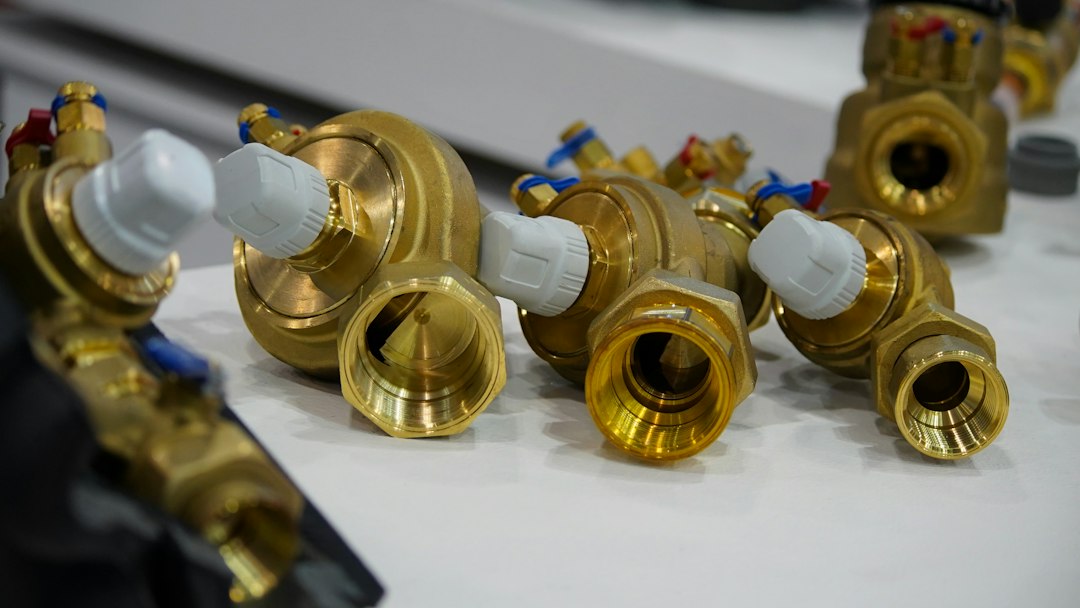
Photo by Guille B on Unsplash.
How to tell whether the noise is water hammer
- It happens at shutoff: The bang occurs at the instant a faucet, toilet fill valve, or appliance stops drawing water.
- It repeats with one fixture: The sound can be reproduced when that same fixture or appliance completes a cycle.
- You can feel a brief vibration: An exposed supply pipe may twitch when the noise occurs. Do not hold or grab a moving pipe to test it.
- The sound is elsewhere or continuous: A constant rattle, a drain-side gurgle, or a noise that occurs when no water is being used needs a broader diagnosis.
Safe checks homeowners can do first
Start with observation rather than dismantling a pipe. If the noise is severe, a pipe visibly moves, or you see a leak, stop using the triggering fixture and arrange a plumbing inspection.
1. Identify the fixture that triggers the bang
Listen from a safe distance while operating one fixture at a time. Note whether the sound follows a kitchen faucet, toilet refill, dishwasher cycle, or washing machine valve closing. If it occurs only with one appliance, tell the plumber which one and whether the sound happens when the appliance starts, fills, or stops.
2. Look at accessible pipes and supports
Where supply lines are already exposed in a basement, utility area, or cabinet, look for a pipe that appears loose, rubs against framing, or has a visibly damaged support. Do not pull, bend, hammer, or force a pipe back into place. Do not open a finished wall just to look for a noisy line. A plumber can determine whether a support is missing or whether the pressure shock is the real cause.
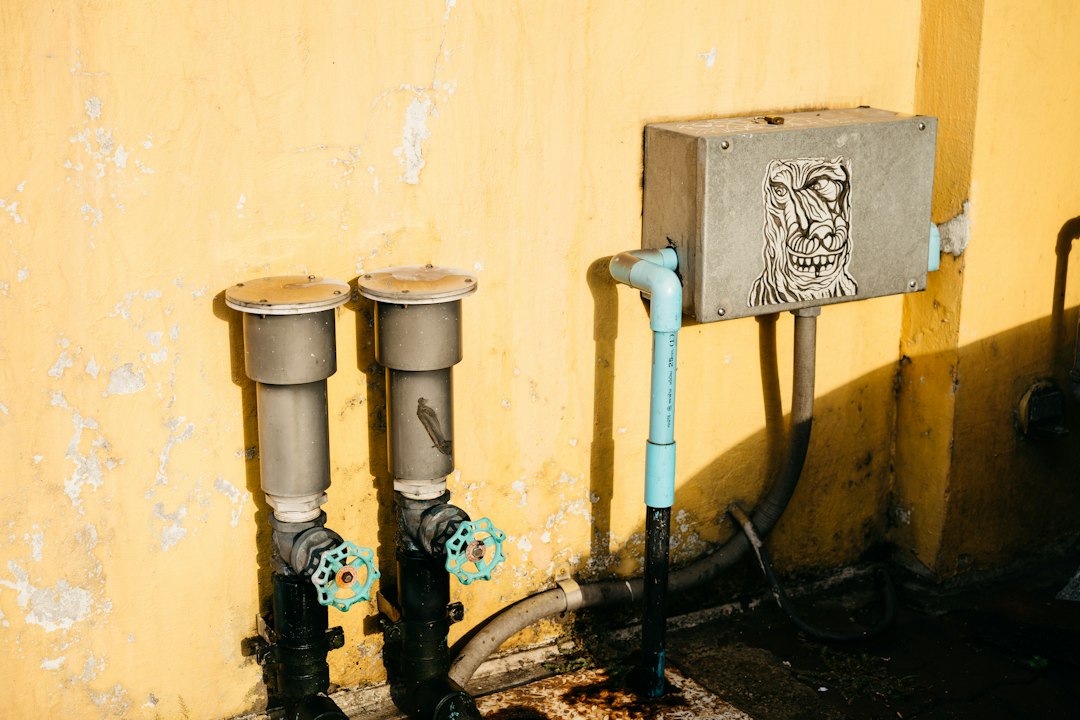
Photo by Markus Winkler on Unsplash.
3. Check for obvious fixture or appliance issues
Check that an appliance hose is not kinked, rubbing against a cabinet, or visibly damaged. Look for drips around accessible shutoff valves and hose connections. Do not tighten a corroded valve or a connection that is difficult to reach; an old shutoff valve can fail when forced. If you find a leak, use the appropriate shutoff only if you can operate it safely. Our guide explains how to locate your home’s main water shut-off valve.
4. Ask for a water-pressure check if several fixtures are affected
If bangs occur in different rooms or at multiple fixtures, ask a plumber to measure the home’s water pressure and inspect any pressure-reducing valve and other relevant components. Do not adjust a pressure regulator by guesswork. A pressure reading and the condition of the system help determine whether the issue is water hammer, excessive pressure, a valve problem, or a combination.
When a water hammer arrestor may help
A water hammer arrestor is a device with a sealed air or gas chamber separated from the water by a piston or diaphragm. When a pressure wave reaches it, the compressible chamber absorbs some of the shock. Watts, SharkBite, and Oatey describe arrestors for applications such as washing machines, dishwashers, and quick-closing faucets. The correct model, connection type, size, and placement depend on the fixture and the plumbing layout.
Arrestors are generally most effective when installed close to the valve or fixture causing the shock. For example, manufacturer guidance for some washing-machine arrestors places them at the hot- and cold-water supply connections. A plumber should size and position arrestors for a larger or multi-fixture problem and check local plumbing requirements.
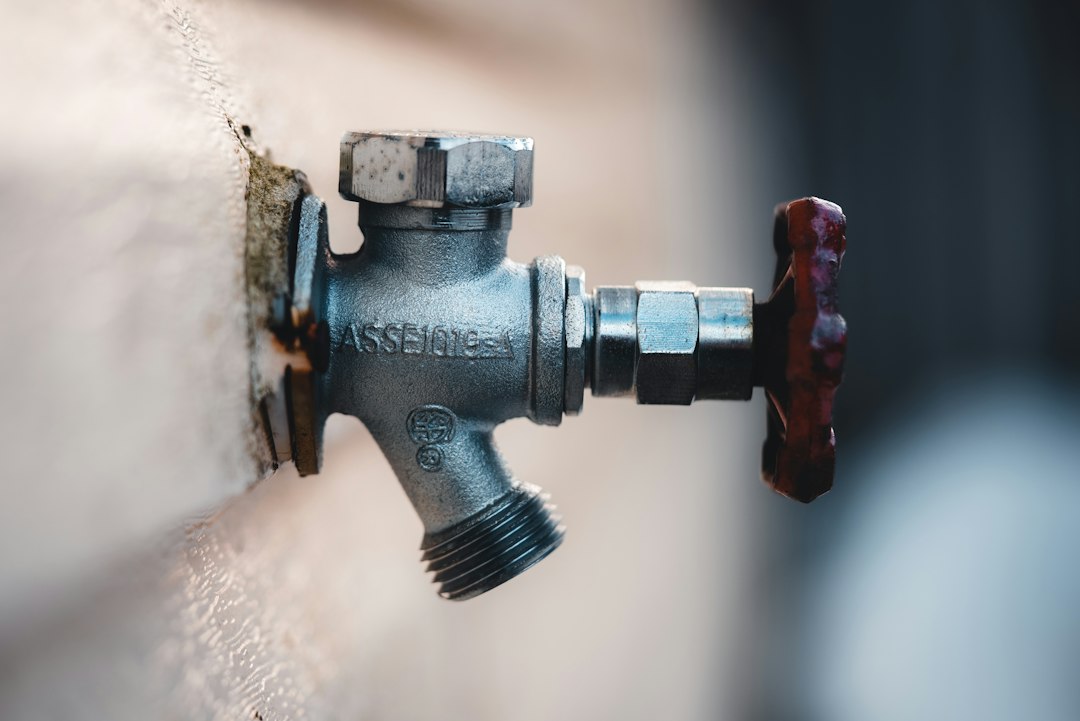
Photo by Erik Mclean on Unsplash.
Can you install an arrestor yourself?
Some arrestors are made to screw onto accessible, compatible appliance shutoff valves. If the product instructions specifically cover your connection and you are comfortable working with the shutoff, follow those instructions exactly. A typical manufacturer procedure is to shut off the supply, relieve pressure, connect the arrestor between the valve and supply hose, restore water, and inspect every joint for leaks. Disconnect electrical power to the appliance before working around its connections, and keep plugs and outlets dry.
Do not assume every arrestor fits every valve or hose. Do not overtighten threaded fittings. Installing an arrestor into fixed copper, PEX, CPVC, or concealed piping may involve cutting, soldering, crimping, or press connections; leave that work to a qualified plumber unless you are trained and local rules allow it. Follow the specific manufacturer’s instructions and local code rather than relying on a generic installation method.
When to call a plumber
- The bang is loud, frequent, or getting worse.
- Pipes visibly jump, knock against framing, or are difficult to access.
- You find dampness, corrosion, a bulging hose, or a leaking connection.
- Several fixtures are affected, suggesting a system-wide pressure or installation issue.
- The noise continues after the triggering appliance or valve has been checked.
- The repair would require opening walls, changing fixed piping, or modifying a pressure regulator.
Frequently asked questions
Can water hammer damage plumbing?
Repeated pressure shocks can stress pipes, joints, valves, and connected equipment. A single noise does not prove damage has occurred, but recurring banging should be investigated rather than ignored.
Why does my washing machine make pipes bang?
Many washing machines use electrically operated valves that can close quickly. If the bang occurs as the washer stops filling, water hammer is one possibility. Check the hoses and shutoff area for visible leaks or damage, then consult the appliance and arrestor manufacturers or a plumber about a compatible solution.
Will a water hammer arrestor fix every pipe noise?
No. An arrestor addresses pressure shock from rapid valve closure. It will not correct a loose pipe support, a failing valve, a drain blockage, or a noise coming from a pump or heating system. Identify the source before choosing a repair.
The bottom line
A sharp bang that happens exactly when water flow stops may be water hammer, but the timing and location matter. Identify the fixture, inspect only accessible areas, and avoid forcing old valves or changing hidden piping. A correctly selected and positioned arrestor can help with pressure shock; a plumber can confirm the cause, check system pressure, and make sure the repair meets local requirements.