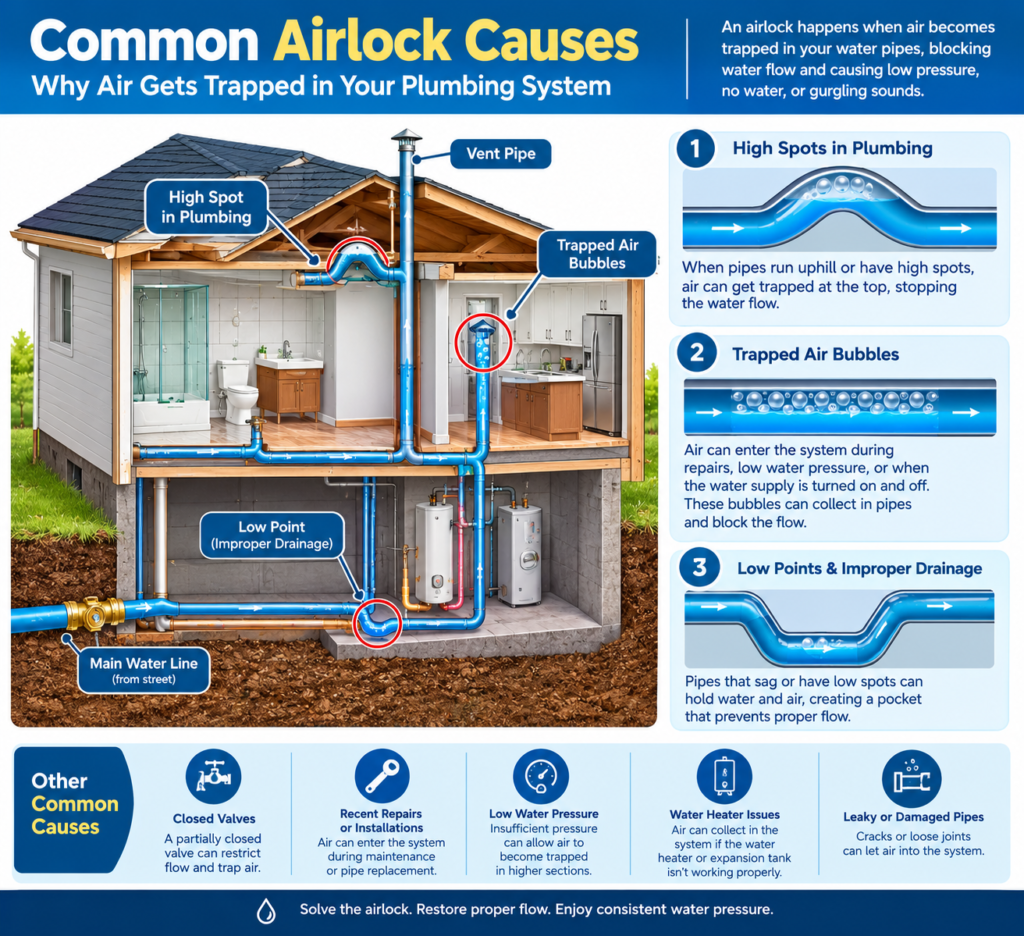
Spitting faucets, sputtering water, or an uneven flow after a repair or water-supply interruption can be signs that air has entered your plumbing. In some situations, the trapped air can be cleared by carefully flushing the affected lines. In others, the symptoms point to a pressure, valve, pump, or blockage problem that needs a closer look.
This guide explains how to identify a possible airlock, try a few low-risk steps, and recognize when to stop and call a licensed plumber. The right method depends on your plumbing layout, so do not loosen pipe fittings or dismantle pressurized components to release air.
What is an airlock in a pipe?
An airlock is a pocket of air trapped in a water line that interrupts or restricts the movement of water. It may occur after plumbing work, draining a system, a temporary water outage, or maintenance that allows air into the pipes. Air can collect at high points or in pipe sections where the layout makes it difficult to move along with the water.
Common signs include a tap that splutters or spits air, a sudden drop in flow at one or more fixtures, intermittent water delivery, or unusual gurgling. These symptoms are not proof of an airlock: a partly closed valve, clogged aerator, failing pressure regulator, pump issue, leak, or municipal supply problem can look similar.
Before you start: check the symptoms
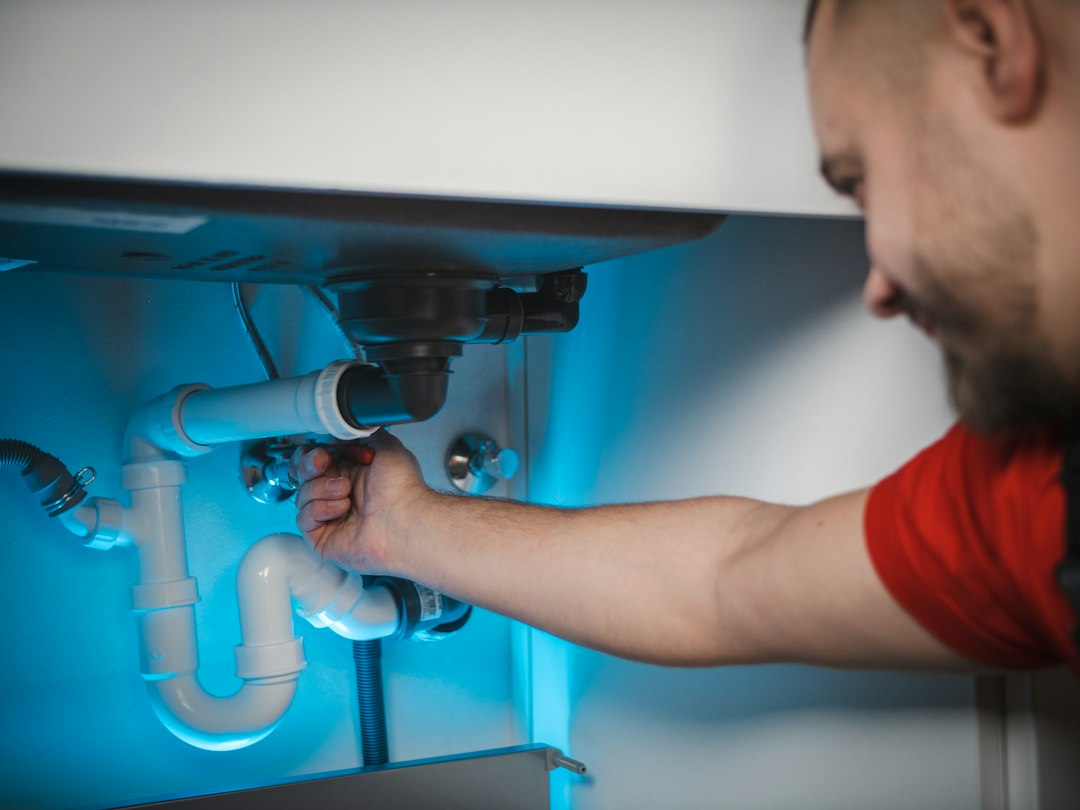
First, find out whether the problem affects one fixture, one branch of the plumbing, or the entire property. Test a few cold-water taps and, where safe, a hot-water fixture. If only one faucet is affected, its aerator or local shutoff valve may be the cause. If several fixtures have weak or sputtering flow, the issue may be farther upstream.
Check that accessible fixture shutoff valves are fully open and look for visible leaks. Ask whether the water supply has recently been shut off or whether plumbing work has taken place. If neighbors are also experiencing low pressure, contact the water supplier before attempting a repair.
How to get rid of a possible airlock: step by step
1. Turn off water-using appliances
Pause washing machines, dishwashers, irrigation systems, and other automatic water users while you investigate. Follow the appliance manufacturer’s instructions. Do not run a pump or water heater dry, and do not operate equipment that is showing a fault or making unusual noises.
2. Check the affected faucet and its aerator
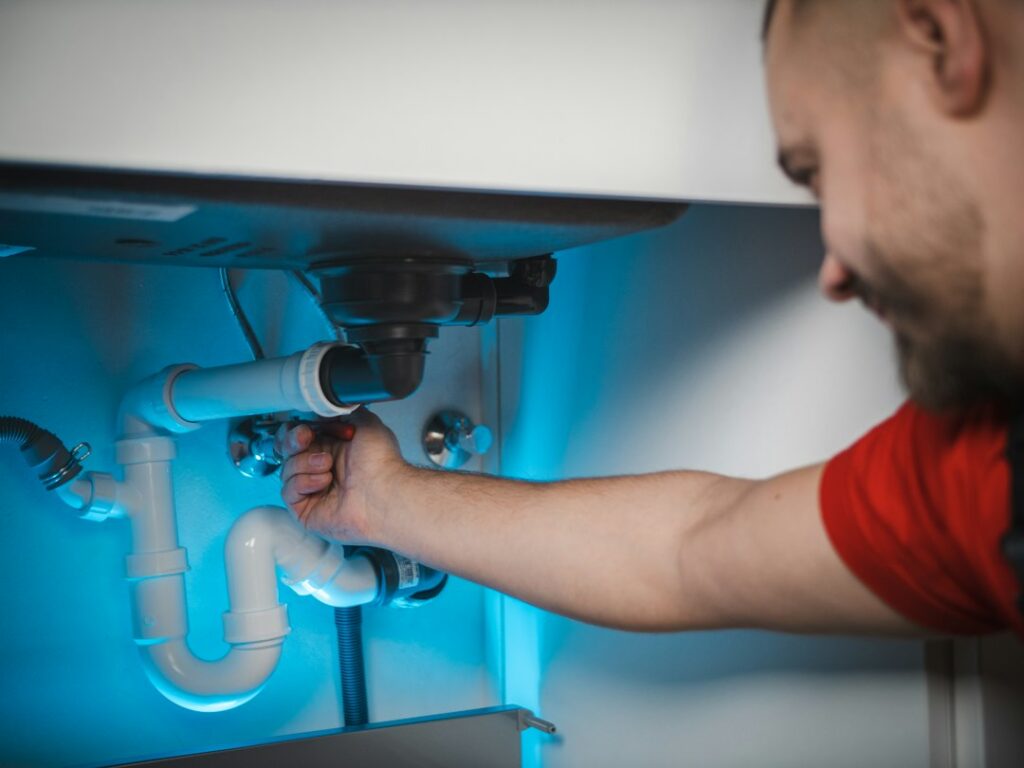
If just one faucet sputters or has a weak stream, turn it off and inspect the removable aerator if you can do so safely. Mineral debris can restrict flow and imitate an airlock. Clean it according to the faucet manufacturer’s guidance, reinstall it securely, and test the faucet again. Do not force a corroded fitting.
3. Flush the affected cold-water line gently
For a typical household supply, open the affected cold-water faucet slowly. If several fixtures are affected, you can try opening a nearby cold-water tap and then other cold taps one at a time, starting with a lower-level fixture where practical. Let the water run briefly until the flow becomes steady, then close the taps. Avoid running taps unattended or wasting large amounts of water.
If the flow becomes steady, check the other affected fixtures. If it continues to spit, loses pressure, or stops altogether, turn the tap off and investigate the cause rather than repeatedly flushing the system.
4. Check hot-water fixtures separately
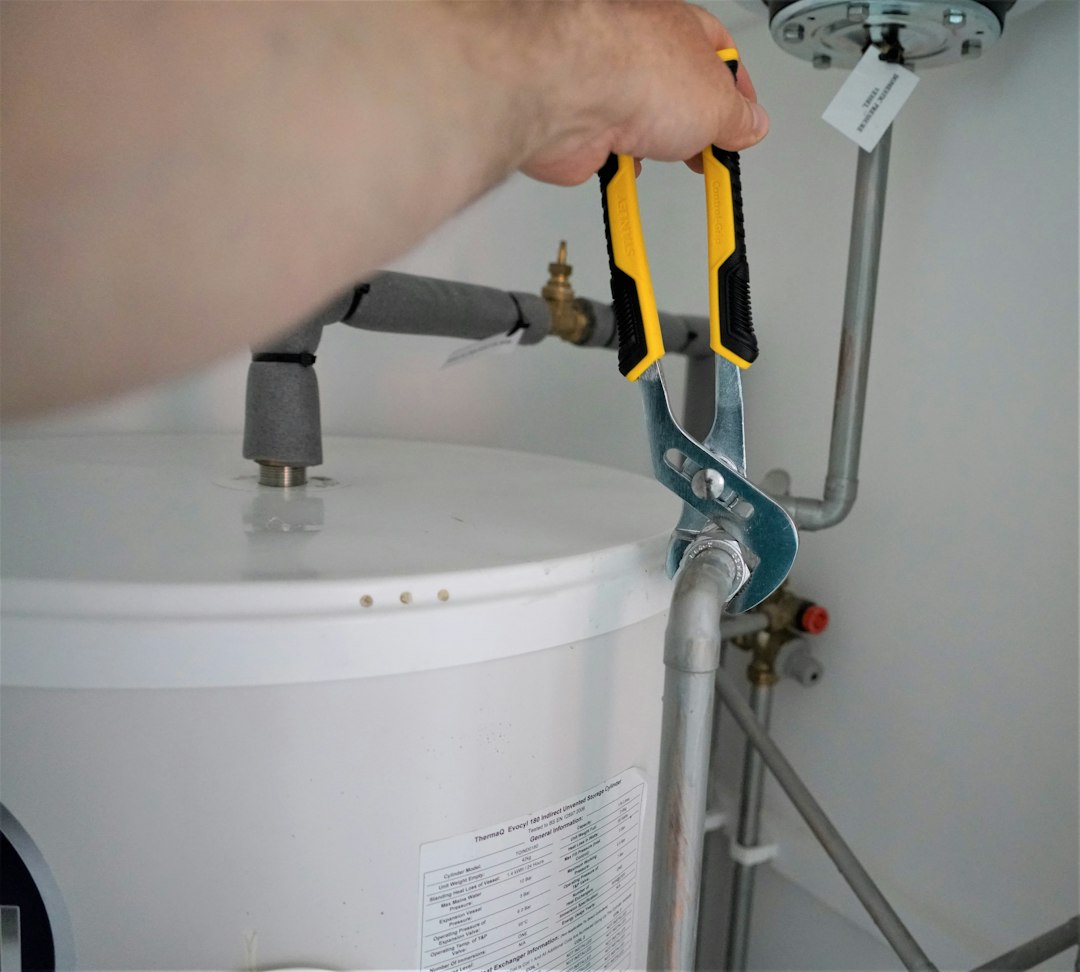
If the problem is limited to hot water, the cause may involve the water heater, a tempering or mixing valve, or the hot-water pipework. Follow the heater manufacturer’s instructions and do not open drain valves, relief valves, service panels, or hot-water connections to vent air. Hot water can scald, and some systems must be purged using a specific procedure. Contact a qualified plumber if normal fixture operation does not restore flow.
5. If you have a private well or booster pump, check its instructions
Well and booster-pump systems are different from a simple municipal-water supply. Loss of prime, a faulty pressure switch, a closed valve, a clogged filter, or a leak on the suction side can cause similar symptoms. Do not run a pump that may be dry, and do not remove pressure-switch covers or adjust electrical components. Use the pump manufacturer’s troubleshooting guidance or arrange professional service.
6. Recheck pressure and look for recurring symptoms
After testing, check several fixtures for a steady stream and listen for unusual pump or pipe noises. Look around accessible pipes and fixtures for moisture. If the problem returns, affects multiple fixtures, or follows repeated supply interruptions, a plumber can check system pressure, valves, filters, pipe routing, and possible leaks.
What not to do
Never loosen a pipe union, remove a plug, drill a pipe, or open an unknown valve to release trapped air. Do not bypass a backflow device, pressure regulator, water-heater safety control, or pump protection. Avoid improvised hose connections between hot and cold taps: they can cause cross-contamination, leaks, or equipment damage if the plumbing arrangement is unsuitable.
When should you call a plumber?
Get professional help if there is no water, a major or sudden pressure loss, visible leakage, water near electrical equipment, repeated air in the lines, banging or severe vibration, or a problem involving a water heater, well pump, or booster system. If you suspect a leak, shut off the appropriate supply only if you can identify and operate the valve safely. For water near electrics, keep clear and contact the relevant emergency professional.
Frequently asked questions
Can an airlock clear itself?
Sometimes a small amount of air moves through the system during normal use. But recurring sputtering or low pressure should not be ignored, because the underlying cause may be a valve, blockage, leak, pump, or supply issue.
How long should I run a tap to clear air?
There is no universal time. Try a brief, supervised flush and stop if the flow does not improve or the symptoms worsen. A persistent problem needs diagnosis rather than prolonged running.
Why does my tap spit air after the water has been turned off?
Air may have entered the supply during maintenance, draining, or a temporary interruption. If it continues after the supply is restored, check for other causes such as a local blockage, leak, or pressure problem.
Is an airlock the same as water hammer?
No. An airlock is an air pocket that restricts water flow. Water hammer is a pressure shock that can occur when moving water stops or changes direction suddenly, often causing banging sounds. The two problems need different diagnosis and solutions.
Restore steady water flow safely
A few careful checks and a brief, supervised flush may resolve minor air-related sputtering in a straightforward household supply. But symptoms that persist, return, or involve hot-water equipment or pumps deserve a professional inspection. Correctly identifying the cause helps protect your plumbing and avoid unnecessary repairs.
Safety note: This article is general homeowner guidance. Plumbing systems vary by property and location; follow equipment instructions and local plumbing requirements, and use a licensed professional for work beyond basic fixture checks.