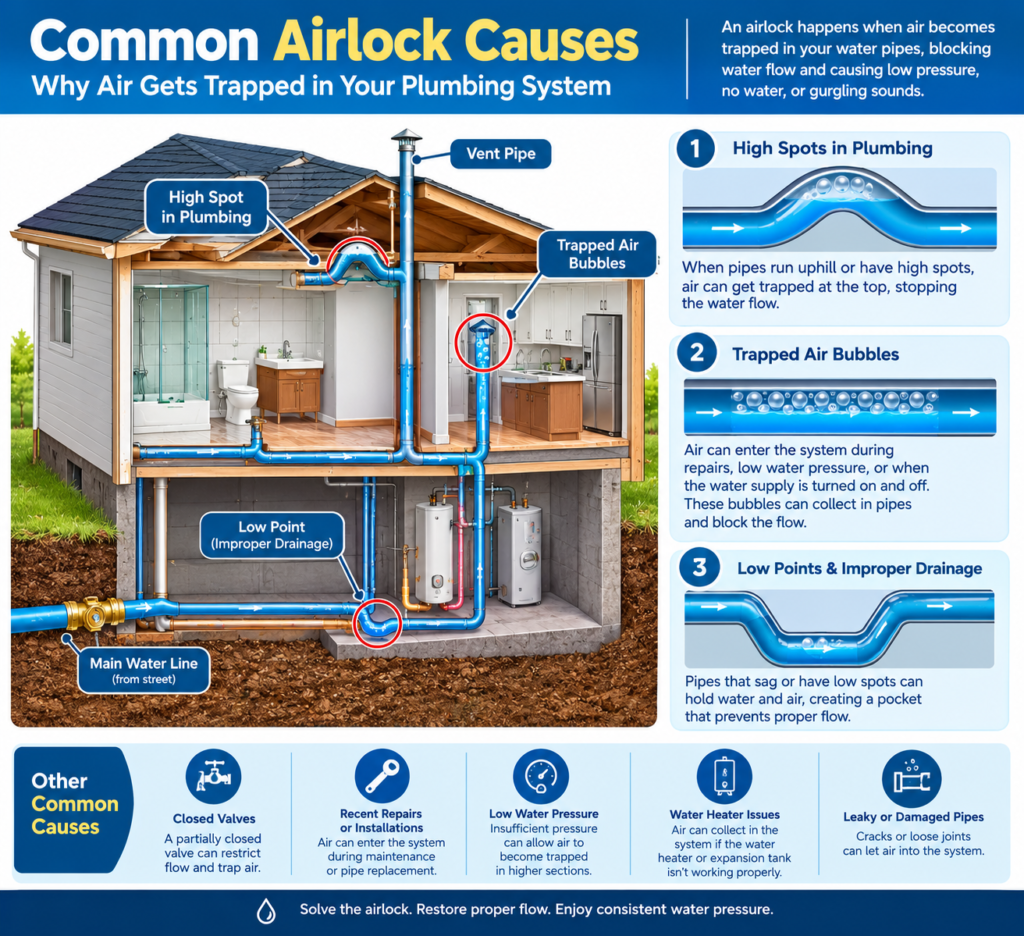
A burst supply line, leaking appliance hose, or failed fitting can release a surprising amount of water before anyone finds the right shut-off. Knowing where your home’s main water valve is—and understanding which valve you are allowed to operate—can help you respond faster and reduce avoidable water damage.
The exact location varies with the home’s age, foundation, plumbing layout, and local water-service arrangement. Use this guide to locate the customer-side main shut-off before an emergency, identify common valve styles, and make a simple household plan. If you cannot confidently identify the correct valve, ask a licensed plumber or your water provider for help rather than guessing.
What the main water shut-off valve does
The main shut-off valve controls the incoming domestic water supply to the house. Closing it normally stops new water from entering the home’s plumbing, while water already held in pipes, tanks, and fixtures may still drain out. It is different from the small isolation valves under sinks and behind toilets, which usually control only one fixture.
Some properties have more than one valve near the meter or service entrance. A valve on the utility’s side of the meter or in a public right-of-way may belong to the water provider and may be restricted to its staff. Do not assume that every valve in a meter box is yours to operate. Check your provider’s rules first.
Where to look for the main shut-off valve
Start by tracing the route where the water service enters the building. The valve is often close to that entry point, but the location differs by property type.
- Basement: Look along the front foundation wall or near the point where the service pipe comes through the wall or floor. It may be close to an indoor meter.
- Slab-on-grade home: Check a utility area, garage, mechanical closet, or the area near the water heater. Some homes place the valve under a kitchen sink or in another accessible cabinet.
- Crawl-space home: The valve may be in the crawl space near the incoming service pipe. If access is awkward or unsafe, do not crawl in just to find it; ask a plumber to identify it and consider whether an accessible secondary shut-off is appropriate.
- Exterior wall: Look near the service entry or an exterior utility area. Protect yourself from traffic, sharp edges, insects, and unstable covers.
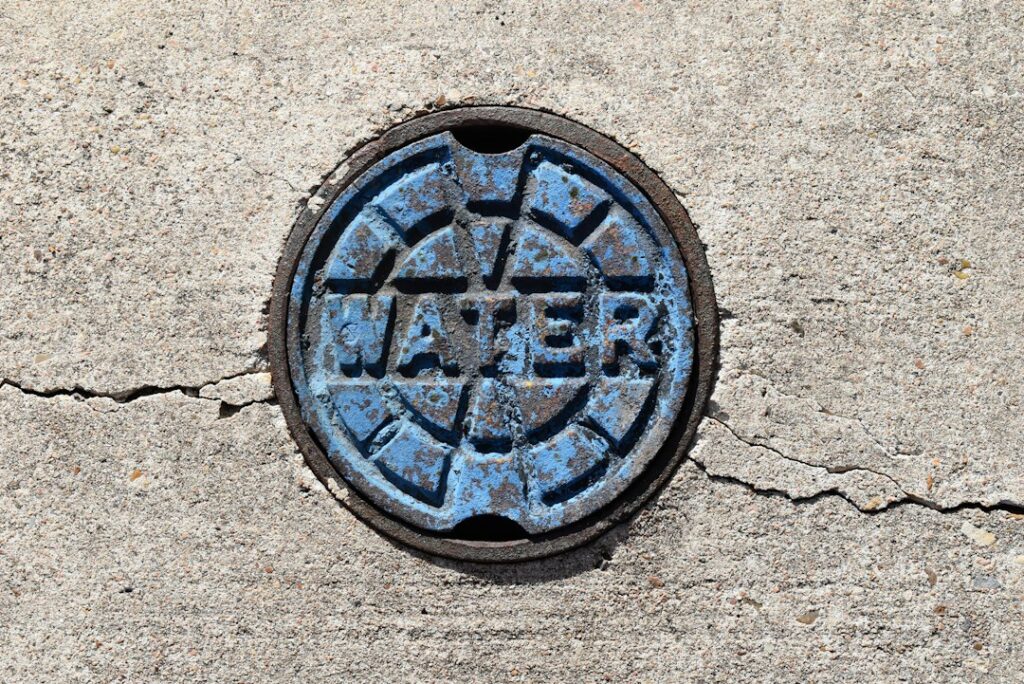
- Water-meter area: The meter may be indoors or in an outdoor box near the street or property line. Identify the customer-owned valve and the utility-owned curb stop separately.
These are common search areas, not a guarantee. The Washington Suburban Sanitary Commission (WSSC Water) explains that basements, crawl spaces, slab foundations, indoor meters, and outdoor meter pits can all affect where a home’s valve is found. Its guide also warns that fire-sprinkler arrangements can change which valve should be used. Read WSSC Water’s valve-location guidance.
How to recognize common valve styles
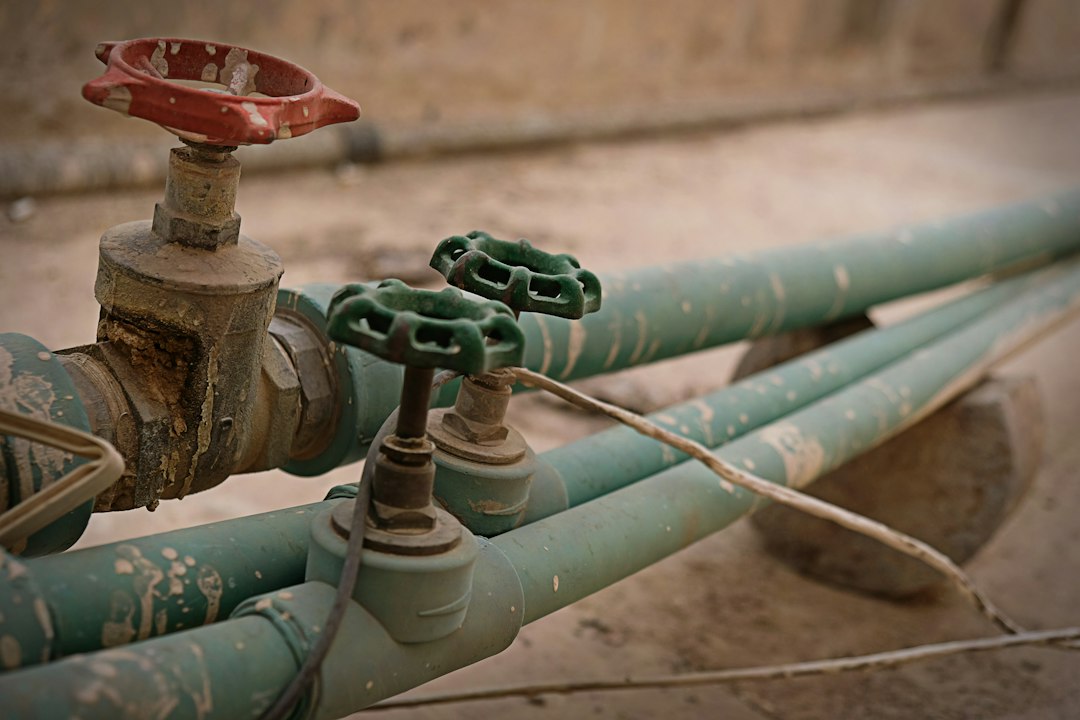
Once you find a likely valve, identify its design before touching it. Two common types are:
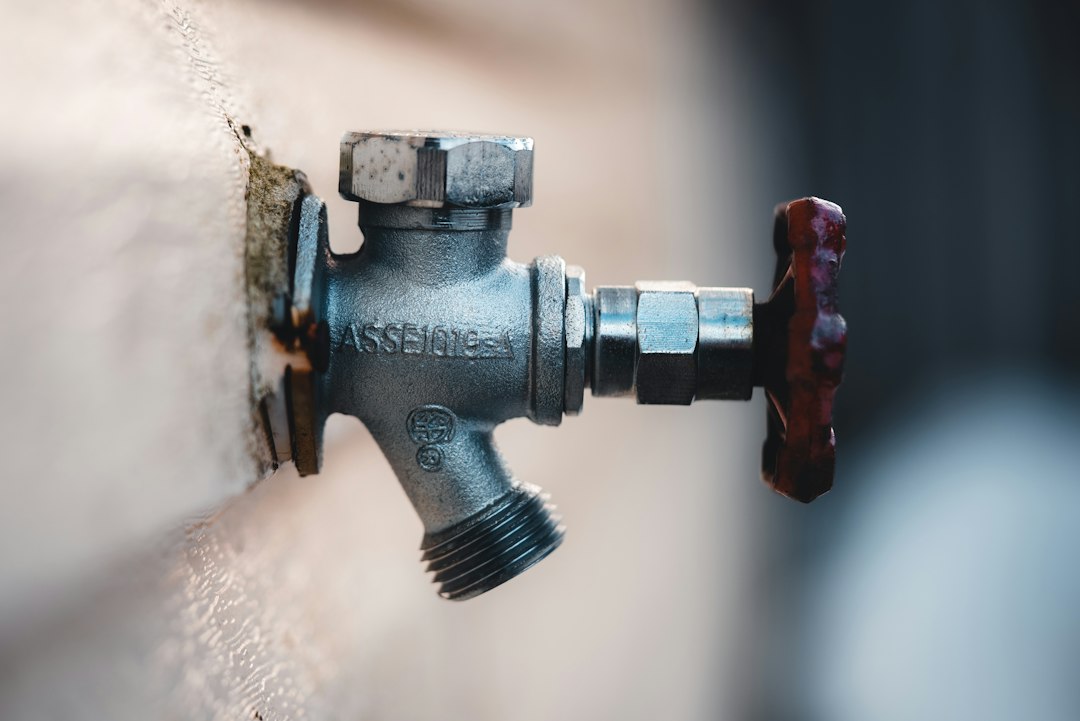
Wheel-handle gate valve
A gate valve usually has a round wheel or oval handle. On many domestic installations, it closes by turning clockwise and may require multiple turns. Older valves can become stiff or corroded. Do not force a stuck handle or use an extension bar; the stem or connected pipe can be damaged.
Lever-handle ball valve
A ball valve usually has a straight lever. On a standard quarter-turn valve, the lever is generally parallel to the pipe when open and perpendicular to the pipe when closed. It should move through a short quarter turn, not several rotations. If the handle is bent, loose, seized, or difficult to move, stop and call a plumber.
Valve colours and handle shapes are not universal identifiers. Follow the pipe and confirm where it goes rather than relying on colour alone. The San Francisco Public Utilities Commission describes both wheel-style gate valves and quarter-turn ball valves, while noting that home layouts vary. See the SFPUC home water shut-off guide.
How to identify and check your valve safely
- Choose a calm time. Do not wait until water is already leaking. Make sure the area is lit, dry, and easy to reach.
- Trace the incoming supply. Follow the pipe from the meter or service entry toward the home. Do not loosen fittings or remove plumbing covers.
- Look for the customer-side valve. If the meter box contains several valves, or you cannot tell which one serves your home, contact the water provider or a licensed plumber.
- Check for warning signs. Corrosion, mineral deposits, a cracked handle, dampness, movement in the pipe, or a valve that appears damaged are reasons not to operate it yourself.
- Confirm the result only if it is safe and clearly identified. If the valve is in good condition and you have confirmed it controls the domestic supply—not a fire-sprinkler line—follow the valve or utility instructions. A household faucet can help you confirm whether the domestic supply has stopped. If anything behaves unexpectedly, reopen only if safe and call a plumber.
- Restore the supply slowly. If you have closed the valve for a planned check, reopen it gently according to its design and inspect the valve and nearby joints for leaks. Do not operate a utility-owned curb stop.
Local instructions differ. For example, the City of Cerritos describes a simple way to check whether a particular customer-side valve is stopping water, while the El Dorado Irrigation District tells customers to contact the district if they cannot locate or operate the valve and says its staff must handle the utility-side curb stop. Use your own provider’s instructions rather than copying another city’s procedure. Cerritos water shut-off instructions · El Dorado Irrigation District emergency guidance.
Important safety checks before you turn anything
- Fire sprinkler systems: Some homes have a separate fire-sprinkler connection or a shared arrangement near the main supply. Closing the wrong valve can disable fire protection. If you see sprinkler piping or are unsure which valve controls it, ask a licensed plumber to identify the domestic shut-off.
- Utility-owned valves: Do not turn a curb stop or tamper with the water meter. Your water provider may require its staff to operate that equipment.
- Old or seized valves: Never force a valve that will not move normally. A failed valve can cause a leak at the stem or break a nearby pipe.
- Electrical hazards: If water is near outlets, appliances, a breaker panel, or other electrical equipment, stay clear. Do not step into standing water to reach a valve; contact emergency services or a qualified professional as appropriate.
- Hot-water equipment: If a repair requires draining the system or shutting off water to a water heater, follow the appliance manufacturer’s instructions and use a qualified professional when unsure. Never allow an electric water heater to operate with an empty tank.
Make a simple household shut-off plan
After you have positively identified the correct valve, make it easy for everyone in the household to find:
- Take a clear photo showing the valve and nearby landmarks.
- Label the customer-side main shut-off with a durable tag, without covering the handle or hiding warnings.
- Keep the area around it clear and make sure the route is accessible.
- Share the location and the correct operating instructions with family members, tenants, or a house-sitter.
- Save your water provider’s emergency number and ask it which outdoor valves customers may operate.
- Have a plumber replace a damaged, inaccessible, or unreliable shut-off before an emergency occurs.
For a broader emergency-preparedness reference, the FEMA home safety checklist also recommends knowing where the whole-home water shut-off is located.
What if you cannot find the valve?
Do not guess, dig around a meter box, or turn random handles. Contact your water provider and ask it to explain the boundary between customer-owned and utility-owned equipment. A licensed plumber can trace the service line, identify the correct domestic shut-off, assess its condition, and recommend an accessible replacement or secondary valve if appropriate.
If you are dealing with a leak right now, close a clearly identified fixture isolation valve only if it is safe to reach, keep people away from electrical hazards, and call a qualified plumber or your utility for help. If you have already shut off the supply but still notice pressure or sputtering when restoring it, see our guide to troubleshooting low water pressure after an airlock.
Final takeaway
The best time to find your main water shut-off valve is before you need it. Trace the incoming supply, identify the customer-owned domestic valve, check that it is in sound condition, and make sure everyone at home knows where it is. If the valve is stuck, hidden, damaged, or connected to a fire-sprinkler or utility-owned system, leave it to the appropriate professional.
This guide is general homeowner information. Valve locations, ownership, and operating rules vary by property and water provider; follow local instructions and use a licensed plumber when uncertain.