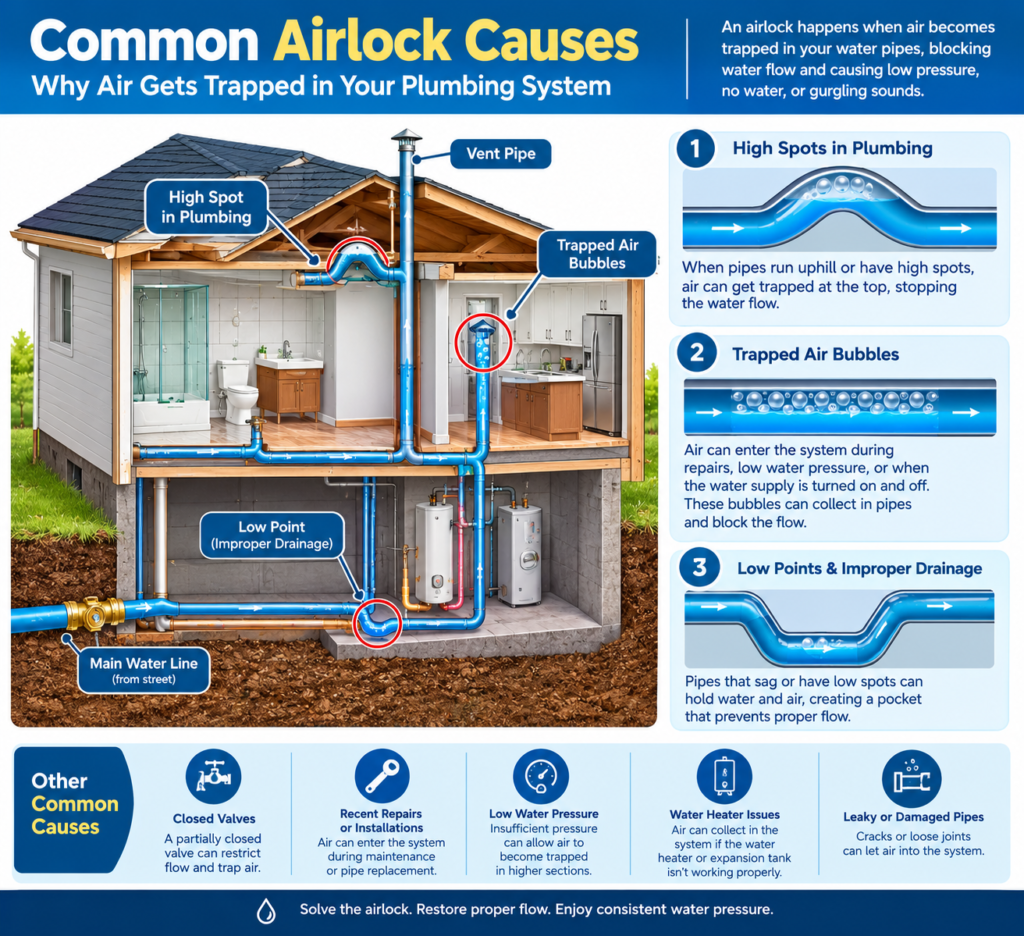
A sump pump helps move groundwater collected beneath or around a basement away from the foundation. But a pump that has not been checked in months may fail when heavy rain raises the water level. A short, careful inspection can help you find obvious problems before the next storm.
This guide covers basic homeowner checks for a typical residential sump pump. Your pump’s own manual takes priority: designs, float switches, test procedures, and battery systems differ by model.
Why test your sump pump?
The pump is only one part of a basement drainage system. Water must reach the sump basin, the float or control must activate the pump, and the discharge pipe must carry water away. A blocked intake, stuck float, damaged discharge line, power issue, or worn pump can interrupt that process. The Zoeller maintenance guidance recommends checking for debris, leaks, unusual noise or vibration, float-switch operation, and electrical problems.
Start with electrical and water safety
Do not enter standing water to inspect, unplug, or operate a sump pump. If water is near outlets, cords, the pump, or electrical equipment, stay out. If you can shut off power from a dry location, follow local emergency guidance; if reaching the breaker requires walking through water, call an electrician. The CDC warns never to switch power or use electrical equipment while standing in water, and says wet electrical equipment should be checked before it is returned to service (CDC flood-home safety guidance).
Keep children and pets away from the pit. Do not open the pump motor, handle wiring, remove guards, or reach into a pit while the system is energized. If the area is wet, damaged, or unsafe, leave the inspection to a qualified professional.
1. Inspect the sump pit and pump area
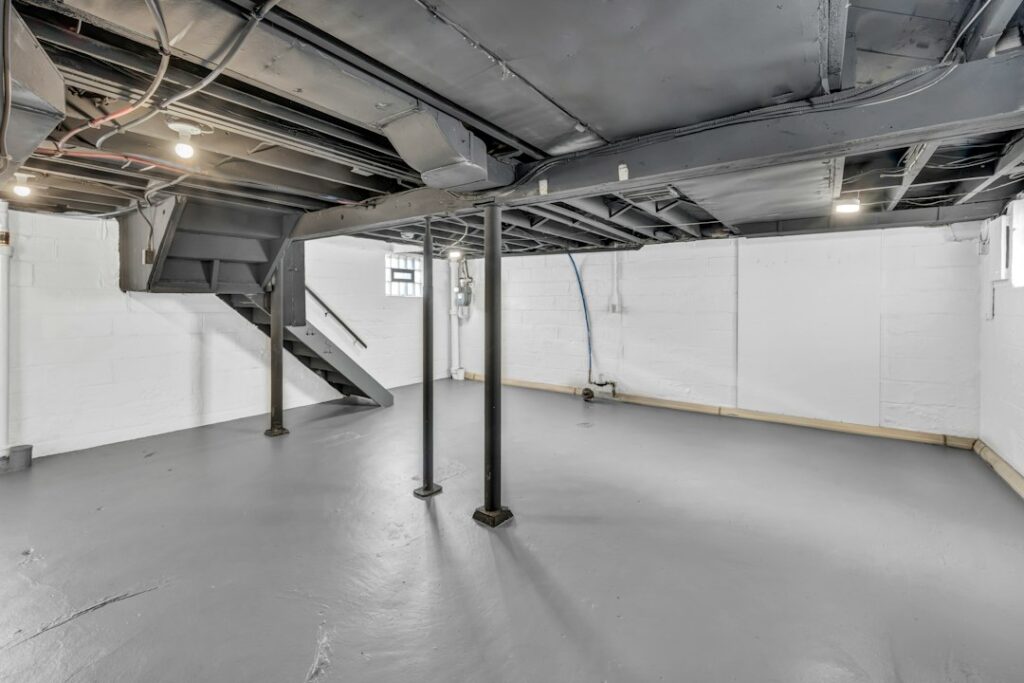
Only if the area is dry and safe, look for visible problems without dismantling the equipment:
- Check whether leaves, gravel, plastic, sediment, or other debris are collecting in the basin.
- Look for a float switch that appears trapped against the basin wall, a pipe, a cord, or stored items.
- Look for visible cracks, loose fittings, leaks, or signs that the pump has shifted.
- Listen for grinding, rattling, repeated clicking, or vibration during a normal operating cycle.
- Keep boxes and stored belongings away from the pit and any access cover so the pump can be inspected quickly.
Do not put your hand into the pit or remove debris around a powered pump. If cleaning is needed, follow the manufacturer’s shutdown and cleaning instructions. If you cannot safely isolate the equipment or identify the correct procedure, arrange service.

2. Check the discharge pipe and outlet
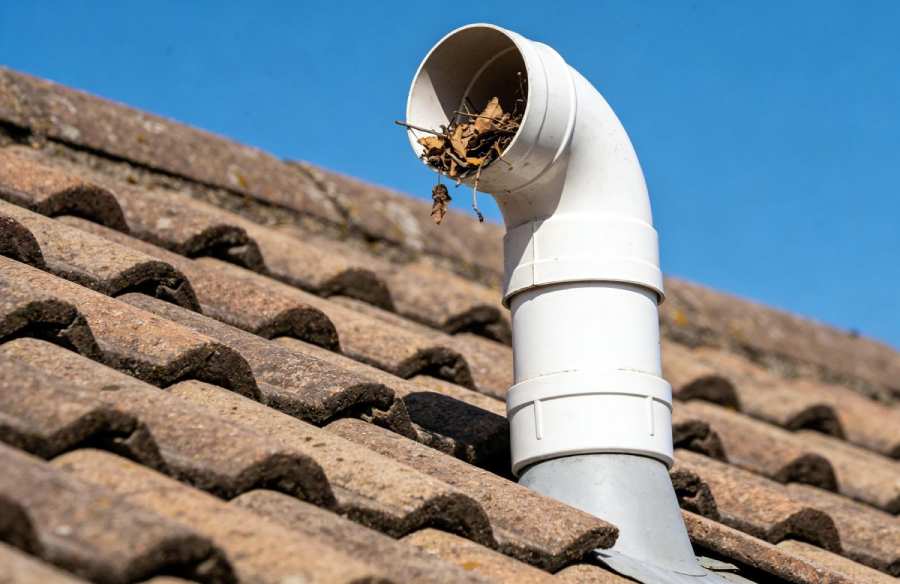
The discharge line carries pumped water away from the house. From a safe location, follow the visible pipe as far as you can and check that it is not crushed, disconnected, or obviously blocked. Look at the outdoor outlet too: leaves, mulch, ice, landscaping, or other objects can obstruct the opening.
Confirm that the outlet sends water away from the foundation and does not simply release it beside the basement wall. Do not change the pipe route or add fittings without checking the pump instructions and local requirements. If water backs up, leaks from a joint, or returns toward the basin in an unusual way, have the discharge arrangement checked.
3. Test the pump with water, if the manual allows it
A controlled water test is a useful way to check whether the pump starts and moves water. Only do this when the floor and electrical area are dry, the equipment appears undamaged, and the manufacturer’s instructions permit the test. Some systems have a specific test button or procedure.
- Read the instructions for your exact pump and control system before testing.
- If the manual describes a water test, slowly add clean water to the basin using a bucket or hose, taking care not to splash electrical components.
- Watch from a safe position as the water reaches the activation level. The pump should start and lower the water level.
- Check that water exits through the discharge line and that there are no visible leaks, unusual sounds, or excessive vibration.
- Allow the pump to stop according to its normal control cycle. Confirm that it is left connected and set for automatic operation as directed by the manual.
Never let a pump run dry for longer than its manufacturer permits, hold a float switch up for an extended period, or reach into the basin while the pump is operating. If it does not start, does not move water, runs continuously, or trips a breaker, stop the test and arrange a professional inspection.
4. Check a battery backup system
If your setup includes a battery backup, inspect the controller’s status lights and alarms and check that the charger is receiving power. Look for obvious corrosion, damaged cables, or a battery warning, but do not open a battery or handle electrolyte unless the manufacturer’s instructions specifically explain how to do so safely. Battery types and maintenance requirements vary.
Follow the backup system’s own test procedure and replacement schedule. A backup pump is not useful if its battery is discharged, its float is obstructed, or its discharge route is blocked. The CDC’s flood-preparation guidance includes sump pumps with backup power among the measures homeowners can consider when preparing for floods.
Warning signs that need attention
- No start: The pump does not activate during an approved test.
- Continuous running: The pump keeps running after the water level falls, or cycles unusually often.
- Little or no discharge: The motor runs but water is not being carried away.
- New noises or vibration: Grinding, rattling, or unusual vibration may indicate a mechanical issue.
- Leaks or electrical warnings: Water around connections, damaged cords, a tripped breaker, burning smells, or backup-system alarms require prompt attention.
Do not repeatedly reset a breaker or continue testing a pump that trips the circuit, smells hot, sparks, or has damaged wiring. Keep clear and contact a qualified electrician or pump/plumbing professional, depending on the problem.
5. Reduce the amount of water reaching your foundation
A sump pump is a backup part of a broader water-management plan. Check that gutters are not overflowing and that downspouts carry roof runoff away from the foundation. Look for low spots where water collects beside the house, and correct grading or drainage problems with appropriate professional advice. The University of Minnesota Extension’s basement-moisture guide recommends assessing gutters, downspouts, and surface grading when addressing basement moisture.
Keep a clear path to the sump pit and avoid storing items where they could block access. If you are also preparing for household plumbing emergencies, review how to find your main water shut-off valve. That valve will not stop groundwater, but knowing its location can help if a separate plumbing leak occurs.
How often should you check a sump pump?
Use the inspection and test interval in your pump and backup-system manuals. As a practical habit, review the system before your area’s wet season, after a major storm or power interruption, and after any repair or service. Manufacturer recommendations differ, so do not assume one test schedule applies to every pump.
A quick pre-storm checklist
- The pit and float area are visibly clear and accessible.
- The float is not obstructed by cords, pipes, or stored items.
- The discharge line and outdoor outlet appear open and connected.
- An approved water test confirms normal start, pumping, and shutoff.
- Backup-system lights show normal status and the battery is maintained as directed.
- Gutters, downspouts, and surface drainage are not directing runoff toward the foundation.
- You know whom to contact if the pump fails or electrical equipment is wet.
Bottom line: A sump pump should not be a mystery appliance that you notice only during a storm. A safe visual inspection, a manufacturer-approved water test, and a clear discharge route can help you identify warning signs early. If anything looks damaged or unsafe, do not improvise repairs—have the system checked before the next heavy rain.
Sources and further reading
- Zoeller Pump Company: Preventing Basement Flooding Through Strategic Sump Pump Placement
- University of Minnesota Extension: Moisture in Basements—Causes and Solutions
- CDC: Preparing for Floods
- CDC: Safety Guidelines for Reentering a Flooded Home
Featured image: Photo by Josh Lemmon on Unsplash.