Finding a pool of water in the bottom of your dishwasher after a cycle is frustrating, but the cause is not always a failed pump. Food debris in the filter, a blocked sink connection, a kinked drain hose, or an installation issue can all stop water from leaving the appliance. Use these checks to narrow down the problem without opening electrical compartments or forcing parts.
Safety first: Stop the cycle. Before removing a filter or inspecting the pump area, switch the dishwasher off and disconnect power at the plug or circuit breaker if you can do so safely. Keep hands away from moving parts, and remember that broken glass or sharp food fragments may be hidden in the sump. If water is near an electrical outlet, the plug, or wiring, do not touch it—stop and get qualified help.
1. Confirm whether the dishwasher is actually failing to drain
Some dishwasher designs retain a small amount of water down in the filter or sump area. That is different from water covering the tub floor, leaking out, or remaining after the machine has completed its drain sequence. Check your model’s owner manual for what is normal. If the tub is holding a noticeable amount of dirty water, do not keep starting full wash cycles in the hope that the problem clears itself.
If your control panel has a Cancel/Drain or Drain function, use it only as described in the manual. Listen for the drain pump and watch whether the water level falls. A humming sound without drainage, repeated error code, or no pump sound at all can help a technician narrow down the fault, but it does not identify a single cause by itself.
2. Clean the dishwasher filter
A clogged filter is one of the first things to check. Food scraps, labels, seeds, and other debris can collect around the filter and restrict drainage. Filter designs differ, so use the removal and reinstallation instructions for your exact model rather than twisting or prying at a part that does not release easily.
- Switch the dishwasher off and allow hot water inside to cool.
- Pull out the lower rack to reach the filter at the bottom of the tub.
- Remove the filter using the method shown in the owner’s manual.
- Rinse it under running water. Use a soft brush and mild dish soap if the manual allows.
- Check the filter well for loose debris, then reinstall and lock the filter exactly as instructed.
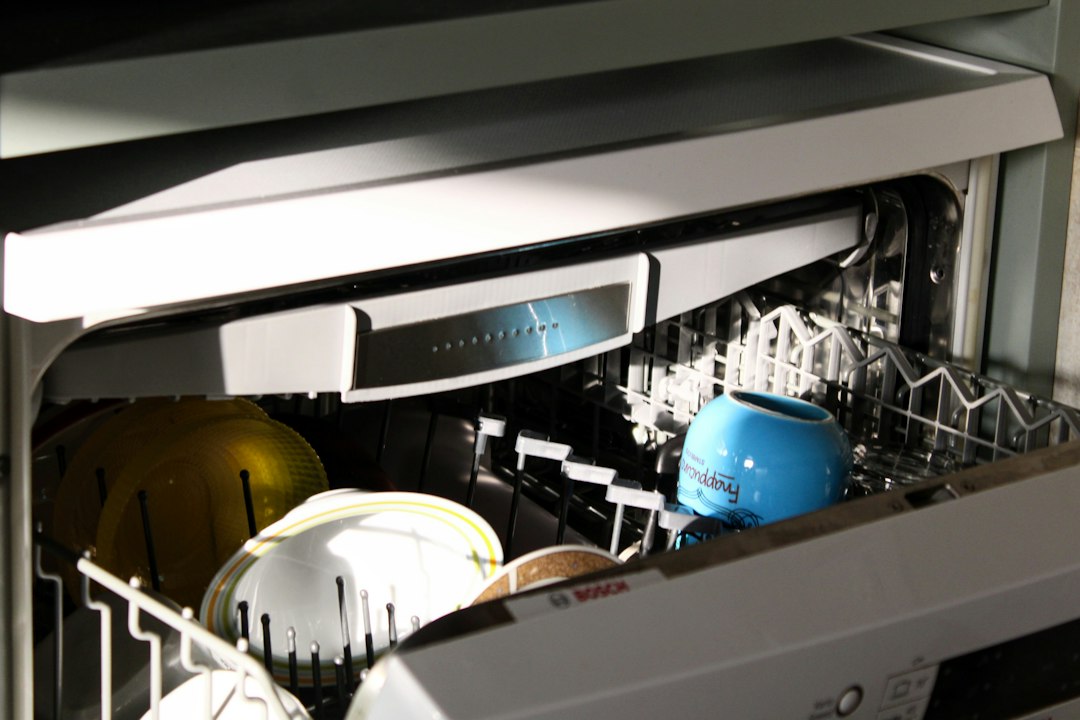
Do not run the dishwasher with the filter missing. A filter that is not seated or locked correctly can allow debris into areas where it does not belong. Bosch’s dishwasher-not-draining guidance also recommends cleaning the filter and checking the pump area according to the model instructions.
3. Look for debris near the drain pump only if your manual permits it
On some models, the pump cover is accessible beneath the filter; on others, the area is not intended for homeowner access. Follow the manual before removing any cover. If it specifically describes a user-accessible pump area, use a sponge or cloth to remove standing water and inspect for visible debris. Wear gloves and move slowly—small pieces of glass, ceramic, or bone can be sharp.
Never put fingers into an unknown opening, force a pump cover, or reach into the pump while the appliance is connected to power. If an object is lodged out of reach, the cover will not release as described, or the impeller appears damaged, stop and arrange service. Bosch notes that pump blockages and loose or missing pump covers can cause drainage errors, but the access procedure is model-specific.
4. Check whether the kitchen sink or garbage disposal is also draining slowly
Many dishwashers discharge through a hose connected to the sink drain or garbage disposal. If the sink is backing up, gurgling, or draining slowly at the same time, the restriction may be in the shared drain connection rather than inside the dishwasher. Look for standing water in the sink and check whether the disposal is operating normally, but do not put your hand into a disposal—even when it appears switched off.
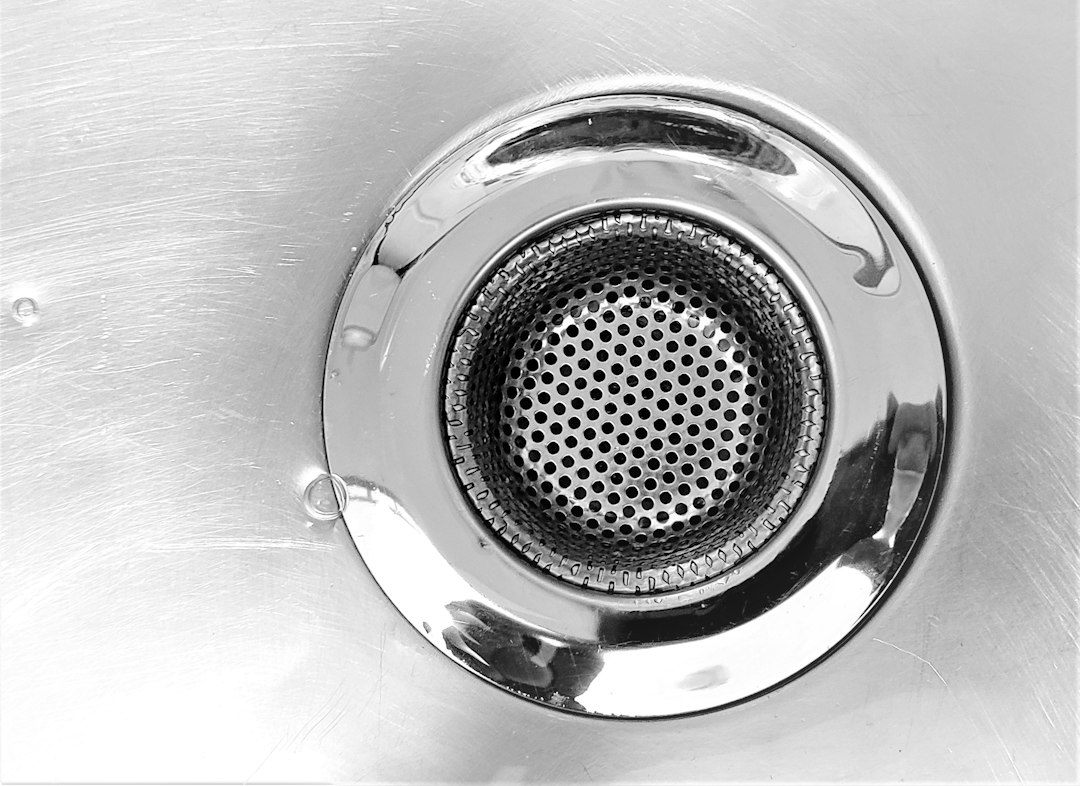
If the disposal itself is humming or not clearing water, see our guide to troubleshooting a garbage disposal that hums but does not work. Avoid pouring chemical drain opener into the dishwasher or its drain hose. If the sink and dishwasher both back up, a plumber can identify whether the blockage is in the trap, branch drain, or farther downstream.
5. Inspect the visible dishwasher drain hose under the sink
With a flashlight, look at the portion of the dishwasher drain hose that is visible inside the sink cabinet. Check for a sharp kink, a crushed section, or a hose that has slipped out of its support. Do not pull the dishwasher out, loosen hose clamps, or disconnect plumbing just to investigate unless you are familiar with the installation and can prevent water from spilling.
The hose routing must follow the dishwasher manufacturer’s installation instructions and applicable local plumbing requirements. Depending on the installation, that may involve a properly configured high loop or an air gap. Do not lower, reroute, or add fittings to the hose based on a generic diagram—check the appliance instructions or have an installer verify it.
6. Check the air gap if your sink has one
An air gap is a small fitting, often mounted beside the kitchen faucet, with a cap above the sink or countertop. Not every home has one. If yours does, and water is spilling from it during a dishwasher drain cycle, debris may be obstructing the fitting or connected hose. Turn the appliance off first and follow the dishwasher or air-gap manufacturer’s cleaning instructions. Do not force tools deep into the hose or disconnect a connection you cannot safely restore.
Bosch’s official dishwasher error-code guidance lists a blocked air gap or drain hose among possible drainage problems and describes checking these parts with the appliance off. If access requires moving the dishwasher or undoing plumbing, leave it to a qualified appliance technician or plumber.
7. Consider whether a new garbage disposal was recently installed
If the dishwasher stopped draining immediately after a garbage disposal was replaced, the disposal’s dishwasher inlet may still have its factory knockout plug in place. Bosch identifies an unremoved knockout plug at the disposer connection as one possible cause of a dishwasher drainage error. This is an installation issue, not a filter-cleaning problem.
Do not try to remove the plug while the disposal is connected to power or while the drain hose is still attached. Contact the installer or a plumber to verify the connection and remove the plug correctly if it was left in place.
8. Reassemble and test for leaks
Before restoring power, make sure the filter and any user-removable cover are correctly seated, the lower rack is back in place, and the cabinet floor is dry. Restore power only when it is safe to do so. Run a short rinse or drain cycle according to the manual and watch the sink connection and visible hose area for leaks. Stop the cycle if water escapes, the breaker trips, or you notice a burning smell or unusual mechanical noise.
When should you call a plumber or appliance technician?
Arrange professional help if cleaning the filter and checking accessible connections does not restore drainage, the pump makes unusual noises, the appliance repeatedly displays a drain error, or water leaks beneath the dishwasher. Call a plumber when the sink and dishwasher both back up or the obstruction appears to be in the household drain. Contact an appliance technician for suspected pump, motor, wiring, or control-board faults.
If you find water spreading under cabinets, dry what you can safely reach and protect nearby flooring. Our guide to finding hidden water leaks around the home explains warning signs to watch for, but an active leak should be addressed promptly.
Frequently asked questions
Is a little water in the bottom of a dishwasher normal?
Some models retain a small amount of water below the filter or in the sump. Check your owner’s manual. Water covering the tub floor, dirty water that remains after the drain sequence, or water leaking onto the floor needs investigation.
Can a clogged kitchen sink stop a dishwasher from draining?
It can contribute to a backup when the dishwasher drain hose connects to the sink’s drain system. If both fixtures drain slowly, have the shared drain checked rather than repeatedly running the dishwasher.
Should I use chemical drain cleaner in a dishwasher?
No. Do not pour household chemical drain opener into the dishwasher, pump, or drain hose. Use the cleaning steps in the appliance manual and call a professional if the blockage is beyond the accessible filter or air gap.
The bottom line
When a dishwasher will not drain, start with the simple, model-approved checks: confirm the symptom, clean the filter, inspect only user-accessible pump areas, and look for problems at the sink connection, drain hose, or air gap. Stop if you encounter electrical hazards, leaks, a damaged pump, or a blockage that requires disconnecting plumbing. A careful inspection can help identify the right repair without turning a minor drainage issue into a bigger problem.
Sources and further reading
- Bosch: Dishwasher is not draining
- Bosch: Dishwasher error codes and drain-hose / air-gap checks
- Bosch: Clogged dishwasher troubleshooting
Featured image: Photo by Alex Tyson on Unsplash.