A toilet is designed to carry away human waste and toilet paper—not everyday bathroom rubbish. Items that look small or seem disposable can snag inside household drain lines, collect with other debris, or create problems farther along a public sewer or septic system. For normal household use, a simple rule helps prevent many avoidable blockages: flush human waste and toilet paper only. The U.S. Food and Drug Administration has a narrow exception for certain medicines on its official Flush List when take-back options are not readily available; check the FDA instructions before disposing of any medicine.
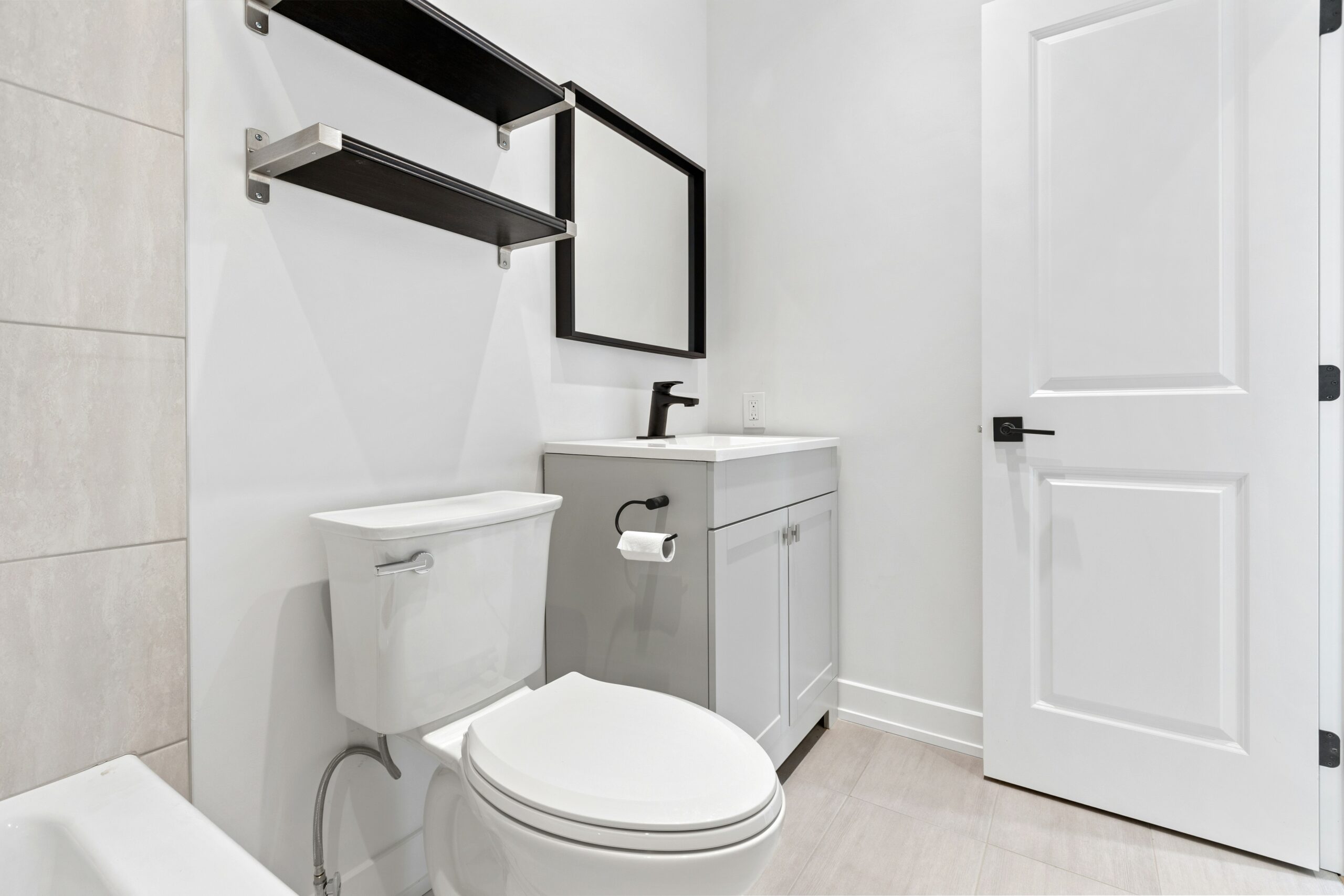
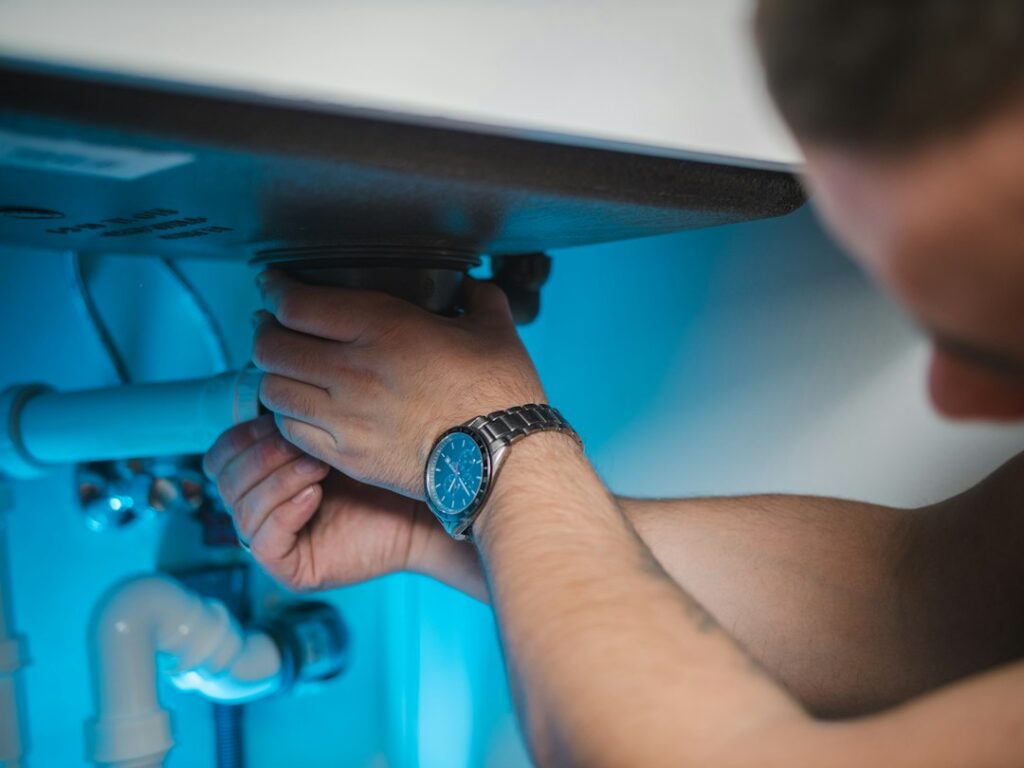
Photo by Point3D Commercial Imaging Ltd. on Unsplash.
What can you safely flush?
For everyday household use, wastewater guidance from the U.S. Environmental Protection Agency and municipal utilities is to flush human waste and toilet paper only. This is especially important for homes with septic systems, where non-degradable materials can interfere with treatment and accumulate in the tank. Medicines are a special case: most should not be flushed, but the FDA identifies a limited list of medicines that may be flushed if a take-back or mail-back option is not readily available.
12 items to keep out of toilets and drains
1. Baby wipes, cleaning wipes, and personal wipes
Do not flush wipes, even when a package uses the word “flushable.” Wipes are designed to stay intact during use and may not break apart like toilet paper. They can snag in pipes, combine with grease and other debris, and contribute to blockages in household plumbing and sewer equipment. Put used wipes in a lined trash bin.
2. Paper towels, facial tissues, and napkins
These products are made to absorb moisture and hold together. They do not behave like toilet paper in a drain line. Place them in the trash rather than trying to move them through the toilet with extra flushing.
3. Menstrual products and applicators
Pads, liners, tampons, and applicators can absorb water, expand, or catch on pipe joints. Wrap used products and place them in a bathroom waste bin according to the product instructions. Do not flush the packaging either.
4. Diapers and disposable training pants
Diapers are designed to absorb liquid and swell. They are far too bulky for a toilet drain and can cause an immediate blockage. Always dispose of them in household trash using the local waste service’s rules.
5. Cotton swabs, cotton balls, and cotton pads
Cotton products can collect together and catch on rough surfaces or existing buildup. Keep a small bathroom bin nearby so these items do not end up in the toilet.
6. Dental floss, floss picks, and bandages
Dental floss does not dissolve in water. It can wrap around other debris or equipment, while bandages and their wrappers can lodge in bends and fittings. Put them in the trash.
7. Condoms and latex products
Condoms and similar latex items do not break down like toilet paper. They can obstruct pipes and should be wrapped and placed in a waste bin.
8. Cat litter and pet waste bags
Even litter marketed as flushable can create plumbing or septic problems. Litter can clump when wet, and bags do not belong in a toilet. Follow the litter label and local waste guidance, but do not use the toilet as the disposal route.
9. Hair and grooming debris
Hair can tangle with other material and contribute to clogs. Collect hair from brushes, shower screens, and sink strainers and put it in the trash. Hair is also a frequent contributor to shower-drain blockages; see our guide to safely unclogging a shower drain.
10. Food scraps and coffee grounds
Food waste and coffee grounds should not be flushed. They add solids to the plumbing system and are not what toilets or septic tanks are designed to receive. Scrape plates into the trash or an appropriate food-scrap collection bin before washing dishes.
11. Most unused prescription and over-the-counter medicines
Do not flush most unused medicines. The FDA recommends a drug take-back location or prepaid mail-back option for most medicines. If neither is readily available, check the FDA’s official Flush List: only medicines specifically listed there should be flushed, following the FDA’s instructions. For medicines not on the Flush List, follow the FDA’s disposal directions. Keep medicines away from children and pets while arranging disposal.
12. Grease, oils, and household chemicals
Never pour cooking grease, fats, oils, paint, solvents, pesticides, automotive fluids, or other hazardous chemicals into a toilet or sink. Grease can cool and stick to pipe walls, while chemicals may harm plumbing systems, septic treatment, or the environment. Let small amounts of cooking grease cool in a suitable container and follow your local waste authority’s disposal instructions. Take hazardous products to an approved collection program where required.
Keep these items out of kitchen and bathroom drains too
The same prevention rule applies to sinks. Use a sink strainer to catch food scraps, wipe greasy pans with a paper towel before washing, and collect used cooking oil in a container rather than rinsing it down the drain. A garbage disposal is not a substitute for a trash or compost bin; follow the unit manufacturer’s instructions and avoid feeding it grease, fibrous scraps, or large amounts of food waste. If your disposal stops working or hums without grinding, see our guide to garbage disposal humming and safe troubleshooting.
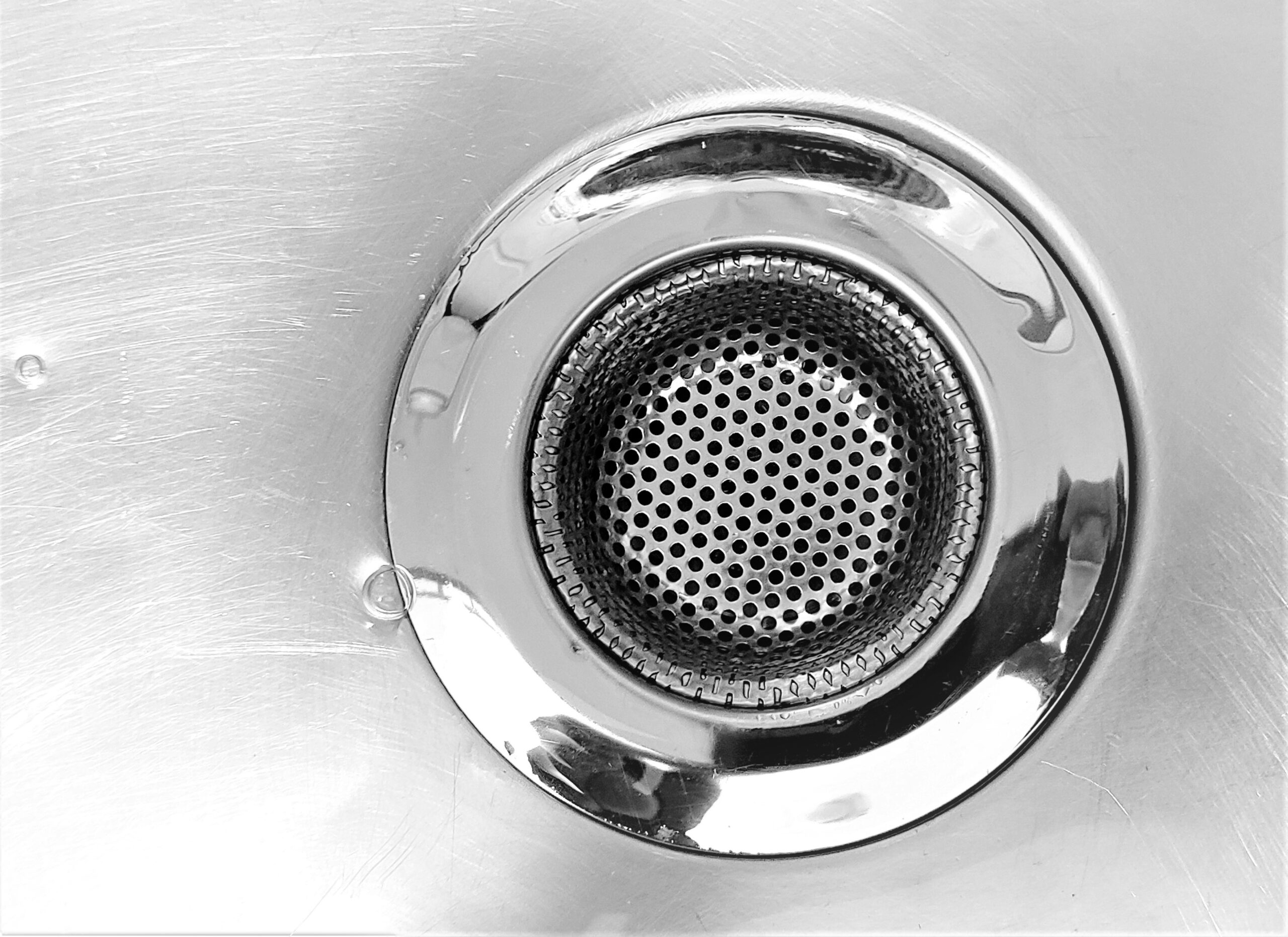
Photo by Daniel Dan on Unsplash.
Simple habits that help prevent plumbing clogs
- Place a small lined bin near each toilet. Make it easy for household members and guests to dispose of wipes, cotton products, and hygiene items properly.
- Keep the toilet-paper rule visible. A short reminder is useful in guest bathrooms and shared homes.
- Use sink strainers. Empty them into the trash or food-scrap collection instead of rinsing trapped debris away.
- Collect cooking grease. Let it cool, place it in a suitable container, and follow local disposal instructions.
- Know your system. If your home has a septic system, follow the EPA’s septic-care guidance and your local health department’s recommendations.
- Teach children what belongs in the toilet. Keep small toys, wipes, and bathroom products out of reach when needed.
What if something inappropriate has already been flushed?
Do not keep flushing to force an item through. If the bowl water rises, stop using the toilet and close its supply valve if you can reach it safely. If the toilet is draining slowly, gurgling, backing up, or causing problems at more than one fixture, stop adding water to the affected plumbing and contact a qualified plumber. A recurring blockage or sewage backup needs proper diagnosis rather than repeated chemical treatments or improvised tools.
Frequently asked questions
Are “flushable” wipes safe for home plumbing?
The safest approach is to put all wipes in the trash, even if the packaging calls them flushable. Wastewater utilities and the EPA advise against flushing wipes because they can damage household plumbing and wastewater systems.
Can I flush toilet paper if I have a septic system?
Yes. EPA guidance says to flush human waste and toilet paper only. Avoid wipes, paper towels, hygiene products, grease, and household chemicals, which can interfere with septic-system operation. Follow FDA instructions for the limited number of medicines on its Flush List.
Can I flush unused medicine?
Most medicines should not be flushed. Use a take-back location or mail-back option when available. If neither is readily available, check the FDA Flush List and follow its directions; only medicines specifically listed there are appropriate to flush. For other medicines, follow FDA disposal instructions.
Can I pour cooking oil down the sink if I run hot water?
No. Hot water may move grease farther down the pipe temporarily, but it does not make grease safe to dispose of through plumbing. Collect cooled grease and follow your local waste service’s instructions.
Should I use a chemical drain opener after flushing the wrong item?
Do not automatically reach for a chemical drain opener. It may not remove a solid object and can create a chemical hazard for anyone who later works on the drain. If the toilet is blocked or backing up, stop flushing and seek appropriate plumbing help.
Final takeaway
Protecting your plumbing starts with a simple habit: flush human waste and toilet paper only, with the FDA’s limited medicine exception handled exactly as directed. Put wipes, paper towels, hygiene products, cotton items, hair, food scraps, and other rubbish in the correct waste stream, and keep grease and hazardous chemicals out of drains. A bathroom bin, sink strainer, and a few clear household rules can help prevent avoidable clogs and sewer problems.
Trusted guidance
- U.S. EPA: Frequent Questions on Septic Systems
- City of Sioux Falls: Reminders for What to Flush
- City of Riverside: What Should Not Go Down the Drain
- U.S. FDA: Disposal of Unused Medicines
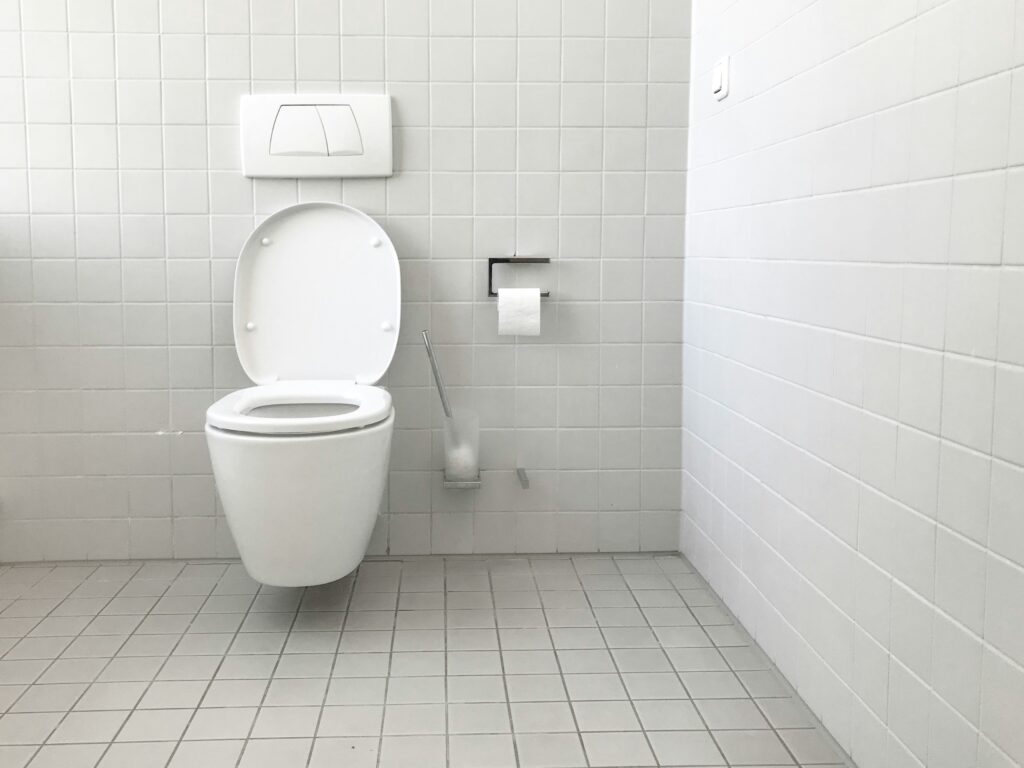
Featured photo by Jan Antonin Kolar on Unsplash.