
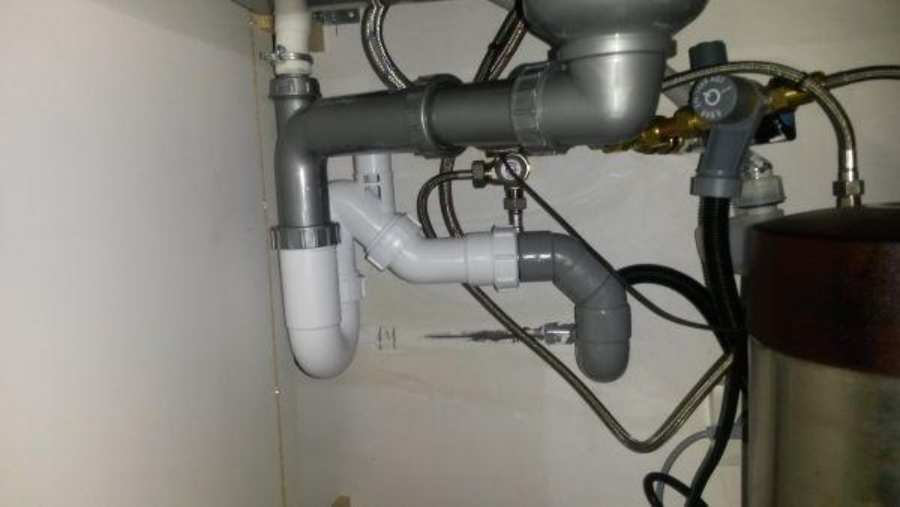
A properly functioning waste pipe should allow wastewater to move away from fixtures smoothly and consistently. When trapped air or poor ventilation interferes with this process, drainage can become slow, noisy, or unreliable. Air lock problems can sometimes be mistaken for a regular drain clog, which may lead to the wrong solution being applied.
In this guide, you will learn how air locks develop, the warning signs to look for, how to distinguish an air lock from a blockage, and the practical steps that can help restore proper drainage. You will also learn when professional plumbing assistance is necessary.
What Is an Air Lock in a Waste Pipe?
An air lock occurs when air becomes trapped inside a section of a waste pipe and interferes with the normal movement of wastewater. Since air occupies space within the pipe, it can restrict the flow of water and create pressure changes.
In residential drainage systems, however, what is commonly described as an air lock is often associated with poor or restricted plumbing ventilation. Wastewater needs a continuous path for air to enter and move through the drainage system. If a vent is blocked, the water flowing through the pipe can create negative pressure, making drainage slower and causing air to move through nearby fixture traps.
This is why a drainage problem should not automatically be treated as a simple clog.
Common Causes of Air Lock Problems
Several conditions can interfere with airflow and wastewater movement.
Blocked Plumbing Vents
A blocked vent is one of the most common causes of drainage related air problems. Leaves, debris, bird nests, and other materials can restrict the opening of a vent pipe. In colder climates, ice can also interfere with ventilation.
When air cannot enter the system properly, wastewater has difficulty flowing freely. This can result in slow drains, bubbling, or gurgling sounds.
Poor Pipe Installation
Waste pipes need suitable routing and slope to allow wastewater to move effectively. Incorrect pipe installation, unnecessary high points, or unsuitable connections can allow air to collect in certain sections.
A poorly designed drainage layout may repeatedly create air flow problems even after the immediate symptom has been cleared.
Partial Drain Blockages
A partial blockage caused by grease, hair, soap residue, sediment, or other debris can restrict wastewater flow. As water passes through the narrowed section, air may be displaced toward nearby fixtures.
This can create symptoms that resemble air lock problems, particularly when a drain gurgles while another fixture is being used.
Damaged or Poorly Connected Pipes
Cracks, loose connections, or damaged sections of waste piping can affect normal drainage and airflow. If a problem repeatedly returns after cleaning, the pipe system itself may need to be inspected.
Signs of Air Lock Problems
Recognizing the symptoms early can prevent a minor drainage issue from becoming a larger plumbing problem.
Slow Draining Fixtures
A sink, shower, or tub that takes longer than usual to empty may indicate restricted drainage. If several fixtures are affected, the problem may extend beyond a single drain.
Gurgling or Bubbling Sounds
Gurgling is an important warning sign. It can occur when air is forced through water in a fixture trap because it cannot travel through the intended venting path.
For example, you may hear a bathroom sink gurgle when a toilet is flushed. This type of interaction between fixtures can indicate a ventilation or shared drainage issue.
Incomplete Toilet Flushing
A toilet that does not flush properly or drains unusually slowly may be experiencing restricted airflow or a drainage obstruction. An incomplete flush should not automatically be blamed on an air lock because a toilet blockage can create similar symptoms.
Unpleasant Drain Odors
A properly maintained fixture trap helps prevent sewer gases from entering indoor spaces. Ventilation problems can contribute to pressure changes that disturb the water seal in the trap, potentially allowing unpleasant odors to enter the home.
How to Diagnose the Problem
Before attempting a repair, determine whether the issue affects one fixture or several.
Start by observing which drains are affected. If only one sink is slow, a local blockage is more likely. If the toilet, shower, and sink begin showing symptoms around the same time, investigate the shared waste and vent system.
Next, listen for gurgling when another fixture is used. For example, flush the toilet while listening near the shower or sink. Gurgling in a separate fixture can indicate an airflow problem.
Check whether wastewater is actually backing up. Multiple slow drains combined with wastewater rising in a low fixture can point toward a larger branch or main drain obstruction rather than a simple air lock.
How to Fix Air Lock Problems in Waste Pipes
The correct solution depends on the actual cause.
Try a Plunger for a Localized Problem
If only one fixture is affected, a plunger can sometimes restore normal drainage by disturbing trapped air or dislodging a minor obstruction. Make sure the plunger forms a proper seal around the drain opening before applying controlled pressure.
This approach is most appropriate when the problem is limited to one fixture and there are no signs of a larger drainage failure.
Clean the Drain
Remove visible debris from the drain opening and clean accessible components where appropriate. Bathroom drains commonly collect hair and soap residue, while kitchen waste lines can accumulate grease and food particles.
If the problem continues after cleaning, the obstruction may be deeper within the waste pipe.
Inspect the Plumbing Vent
A restricted vent should be inspected because proper ventilation is essential for maintaining balanced air pressure in the drainage system. Roof level vent inspection can involve working at height, so homeowners should avoid unsafe access.
If a vent is blocked or damaged, a qualified plumber can identify the restriction and restore proper airflow.
Use Professional Drain Cleaning
If a deeper blockage is suspected, professional drain cleaning may be required. Depending on the condition of the pipe, a plumber may use specialized equipment to clear accumulated debris.
Repeated symptoms should not simply be treated with stronger chemical drain cleaners. The underlying cause should be identified first.
When Should You Call a Plumber?
Professional assistance is recommended when air lock problems affect multiple fixtures, repeatedly return, or occur alongside wastewater backup.
A plumber can inspect the drainage and vent system to determine whether the problem is caused by a blocked vent, partial obstruction, damaged pipe, poor installation, or a main sewer line issue.
Sewage odors, repeated toilet gurgling, multiple slow drains, and wastewater backing up into a shower or floor drain deserve prompt attention. These symptoms can indicate a more significant drainage problem rather than an isolated air pocket.
Preventing Future Waste Pipe Problems
Regular maintenance can reduce the risk of drainage and ventilation issues. Avoid putting grease, oil, food waste, hair, and other unsuitable materials down household drains. Keep accessible drain openings clean and pay attention to unusual sounds or changes in drainage speed.
If gurgling or slow drainage repeatedly occurs, investigate the cause instead of repeatedly treating the symptom. Proper waste pipe design, adequate venting, suitable pipe slope, and routine maintenance all contribute to reliable drainage.
Final Thoughts
Air lock problems in waste pipes can produce symptoms that look similar to ordinary drain blockages. Slow drainage, gurgling, bubbling, incomplete toilet flushing, and unpleasant odors can all provide clues about what is happening inside the drainage system.
The key is to identify whether the issue is isolated to one fixture or affecting several connected fixtures. A simple local obstruction may be manageable with basic cleaning, while recurring or widespread symptoms can indicate a venting, pipe, or main drainage problem.
Understanding these warning signs makes it easier to take the right action before a minor drainage issue develops into a costly plumbing repair.
FAQs:
- What causes air lock problems in waste pipes?
A: Air lock problems can be associated with restricted plumbing ventilation, blocked vents, poor pipe installation, partial drain blockages, or damaged and poorly connected waste pipes. These conditions can interfere with normal airflow and wastewater movement.
- How can I tell if a slow drain is caused by an air lock or a blockage?
A: If only one fixture is affected, a localized drain blockage is more likely. When several connected fixtures become slow or produce gurgling sounds at the same time, the problem may involve the shared waste or vent system.
- Can an air lock cause gurgling in drains?
A: Yes. When air cannot move normally through the intended venting path, it may be forced through water in a fixture trap, producing gurgling or bubbling sounds. For example, a sink may gurgle when a nearby toilet is flushed.
- Can I fix an air lock in a waste pipe myself?
A: For an isolated fixture, using a properly sealed plunger and cleaning accessible drain components may help if a minor obstruction is involved. However, recurring or widespread symptoms may require inspection of the plumbing vent, waste pipes, or deeper drainage system by a qualified plumber.
- When does an air lock problem require professional plumbing service?
A: Professional assistance is recommended when multiple fixtures are affected, symptoms repeatedly return, or there is wastewater backup, persistent sewer odor, or repeated toilet gurgling. These signs can indicate a larger vent, pipe, or main drainage problem.