
A shower that leaves water around your feet is frustrating, but a slow drain does not always mean a damaged pipe. In many homes, hair and soap residue collect near the drain cover or in the first section of the trap. Start with the simplest visible obstruction, work gently, and stop if the symptoms suggest a blockage farther down the plumbing system.

Photo: Smart Renovations on Unsplash.
First, work out where the blockage may be
If only one shower is draining slowly, the obstruction may be close to that fixture. Hair mixed with soap, shampoo, and body-care residue is a common reason for a shower drain to slow down. A removable strainer or hair catcher can collect much of this material before it enters the drain.
If several fixtures are slow, toilets gurgle, wastewater backs up, or the shower fills when another fixture drains, the problem may be in a shared branch or main drain. Do not keep running water or attempt to push a clog deeper. Arrange a plumbing inspection.
What you need before you start
- Rubber gloves and a towel
- A flashlight
- A small container or trash bag for removed debris
- A screwdriver only if the drain cover is designed to be unscrewed
- A plastic hair-removal tool or a hand-operated drain tool specifically suitable for tub and shower drains
- A small cup or bucket for standing water
Read the shower-drain or stopper manufacturer’s instructions before removing parts. Drain covers and stopper assemblies vary. If a cover is sealed, fixed, corroded, or unfamiliar, do not pry it up or force the screws.
Step-by-step: clear a simple shower-drain clog
1. Stop the water and remove standing debris
Turn off the shower and let the water settle. Put on gloves, remove loose hair or debris from the floor and around the drain, and use a cup to remove enough standing water to see the drain opening. Keep the work area as dry as practical to reduce slipping.
2. Remove the strainer only if it is designed to come off
Some strainers lift out; others are held by screws or are part of a larger drain assembly. Use the correct screwdriver if the cover is screw-fastened. Keep the screws together and note how the cover sits. If it does not release with normal hand pressure, stop rather than bending the cover or damaging the drain body.
3. Pull out visible hair and residue
Use your gloved fingers, tweezers, or a purpose-made plastic hair-removal strip to retrieve material that is within easy reach. Pull debris out toward you instead of pushing it down the pipe. Place it in the trash, not back into the drain. Avoid improvised wire coat hangers: sharp ends can scratch surfaces, snag components, or become stuck.

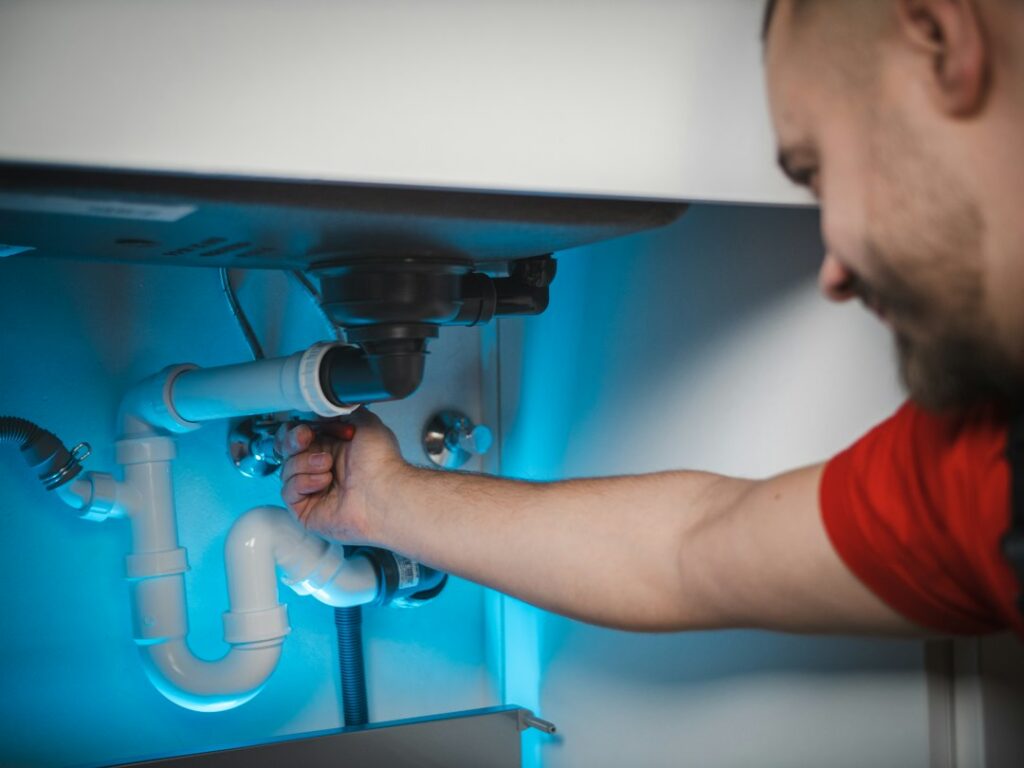
Photo: Zac Gudakov on Unsplash.
4. Clean the removable cover or stopper
Rinse removable parts in a sink or bucket and remove hair wrapped around the stopper mechanism. Use a soft brush and ordinary dish soap if needed, then rinse thoroughly. Do not use abrasive tools on plated or decorative finishes. Reinstall only after the parts are clean and dry enough to handle safely.
5. Try a suitable hand drain tool if the clog remains
If the drain is still slow, a small hand-operated drain tool designed for tub and shower lines may help retrieve hair or soft debris farther down. Follow the tool maker’s instructions, use the correct size for the drain, and feed it slowly. Do not force the cable around a bend or keep turning when it binds. Stop if the tool catches, the drain assembly moves, or you meet firm resistance. Powered drain machines are best left to someone trained to use the correct cable and attachments.
RIDGID lists hand spinners for sink, shower, and tub blockages, and its product guidance emphasizes choosing equipment for the drain size and application. See the RIDGID drain-cleaning hand-tool range for examples; always follow the manual for the specific tool you use.
6. Rinse and test the drain
When the visible debris is removed, run a modest amount of warm tap water and watch how quickly it drains. Do not pour kettle-boiled water into the drain. If the water still pools, stop rather than repeating increasingly forceful attempts. Replace the strainer or stopper as designed and confirm it sits securely.
What not to put down a slow shower drain
Avoid treating a shower clog as a chemistry experiment. Many drain openers contain concentrated corrosive ingredients that can cause serious burns or eye injuries. Poison Control advises using these products with great caution and explains that exposure can require urgent poison-center guidance.
- Never mix drain opener with bleach, acids, toilet cleaner, or another drain product. Chemical mixtures can release dangerous fumes or cause hazardous reactions.
- Do not plunge, snake, or remove a drain fitting after adding a chemical cleaner unless the product label specifically says it is safe and you can follow its precautions. Splashback can expose skin and eyes.
- Do not add baking soda, vinegar, bleach, or another household cleaner on top of a commercial drain product.
- Do not keep adding more product when the drain remains blocked. Follow the label and tell the plumber exactly what was used.
The National Capital Poison Center’s drain-cleaner guidance describes the burn and injury risks of corrosive products. The Washington Poison Center also advises immediate poison-center help after a swallowing, skin, or eye exposure. In the U.S., Poison Help is available at 1-800-222-1222; call 911 for a life-threatening emergency.
When to call a plumber
A homeowner-level hair removal is reasonable when the obstruction is visible and the drain assembly is accessible. Call a licensed plumbing professional if:
- More than one fixture is draining slowly or backing up.
- You hear repeated gurgling from nearby fixtures or notice wastewater returning through the shower drain.
- The shower remains slow after visible hair and residue are removed.
- A hand tool becomes stuck, meets firm resistance, or seems to move the drain assembly.
- The clog returns soon after clearing, which may indicate buildup or a deeper obstruction.
- You have already poured a chemical cleaner into the drain and cannot safely continue.
If you used a chemical drain opener, tell the plumber the product name and when it was added. Do not conceal that information; it helps the professional choose appropriate protective measures.
How to help prevent another shower clog
- Fit a removable hair catcher or strainer that suits your drain opening.
- Empty the catcher after showers so collected hair does not wash through when the screen is removed.
- Clean the removable strainer and stopper periodically, especially if several people use the shower.
- Keep small items such as cotton swabs, disposable wipes, and packaging away from the drain.
- Pay attention to a change in drainage speed and remove visible hair early, before it compacts with soap residue.
Geberit’s shower-drain guidance explains how a removable comb-style hair catcher collects hair and dirt and can be taken out for cleaning. The exact design varies, so choose a screen compatible with your own drain.
Frequently asked questions
Will baking soda and vinegar unclog a shower drain?
They are not a dependable fix for a hair blockage. Poison Control notes that the reaction between baking soda and vinegar is unlikely to dissolve a tough clog; it should not replace removing the material or using a suitable mechanical tool.
Can I use a plunger on a shower drain?
A plunger may help with some simple clogs if its cup seals over the drain, but avoid plunging if any chemical drain cleaner has been used or if there is a risk of splashing contaminated water. Follow the plunger and fixture instructions, and stop if the blockage does not clear with gentle attempts.
Should I remove the shower drain trap?
Most homeowners should not dismantle a shower’s concealed trap or drain body to clear a routine hair clog. Access can require work below the shower or affect waterproofing and connections. Leave that work to a plumber.
Why does the shower clog again and again?
A recurring clog can mean hair and residue are accumulating beyond the cover, the drain is not being cleaned regularly, or a deeper branch-line issue is present. If basic cleaning does not last, have the drain inspected rather than repeatedly using chemicals.
The bottom line
For a simple slow shower drain, begin by cleaning the removable strainer and pulling out hair that is easy to reach. Use only a drain tool designed for the fixture, follow its instructions, and avoid chemical mixing or force. If several fixtures are affected, wastewater backs up, or the clog keeps returning, a plumber can identify the deeper cause and clear it without guesswork.
Sources and further reading
- Poison Control: What’s in drain cleaner and what happens if you drink it?
- Washington Poison Center: Drain cleaner exposure guidance
- RIDGID: Drain-cleaning hand tools
- Geberit: Integrated shower hair catcher
Image credits: Featured image by Point3D Commercial Imaging Ltd.; in-article images by Smart Renovations and Zac Gudakov, all via Unsplash.