When temperatures drop, water inside exposed plumbing can freeze and expand. That expansion puts pressure on a pipe and can cause it to crack or burst—sometimes in a wall, crawl space, attic, or other area you do not see every day. A little preparation before a cold snap can reduce the risk of water damage and an unexpected repair.
This homeowner’s checklist explains which pipes are most vulnerable, what to do before and during freezing weather, and how to respond if a pipe appears to be frozen. The guidance below follows recommendations from the American Red Cross frozen-pipe safety guide.
Which household pipes are most at risk?
Pay particular attention to water lines that are exposed to outdoor temperatures or sit in spaces that are not heated consistently. Common trouble spots include:
- Outdoor faucets, hose bibs, and the pipes that supply them.
- Water lines in garages, attics, basements, and crawl spaces.
- Pipes inside kitchen or bathroom cabinets, especially when the sink is on an exterior wall.
- Supply pipes that run along poorly insulated exterior walls or enter the home through the foundation.
- Pool and irrigation supply lines that have not been winterized.
Look for plumbing in these areas before the first hard freeze rather than waiting until a faucet stops flowing.
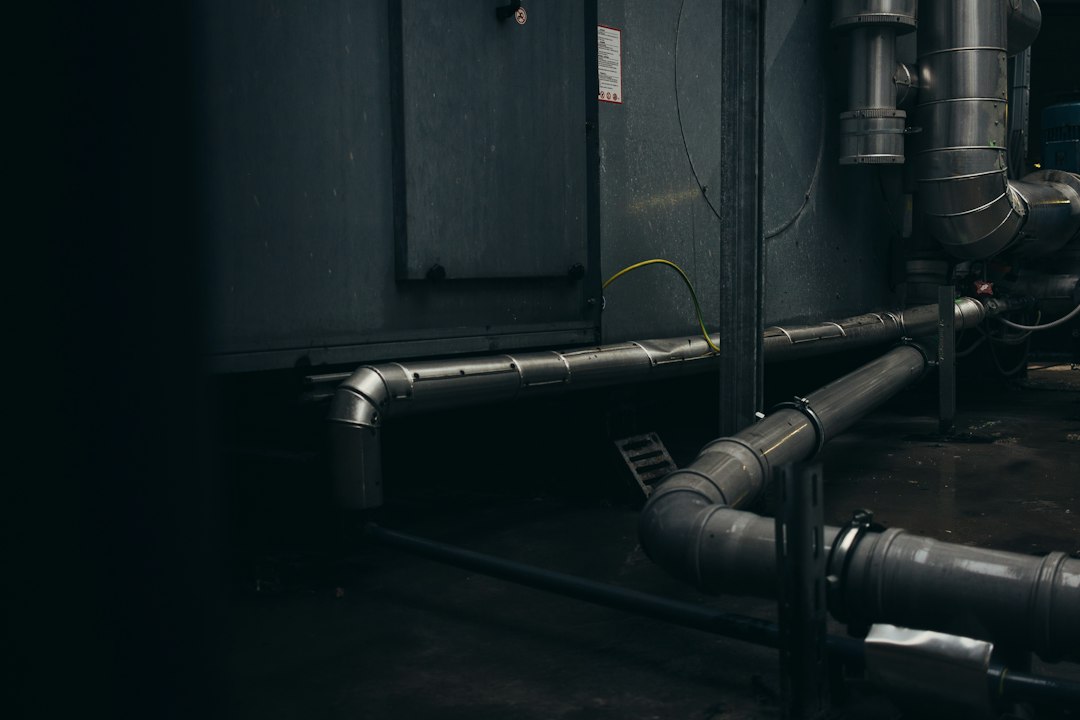
Photo by Mykyta Martynenko on Unsplash.
What to do before freezing weather arrives
1. Disconnect and drain outdoor hoses
Remove garden hoses from outdoor faucets, drain them, and store them for the season. If your home has an indoor shutoff valve for an exterior faucet, close that valve and then open the outdoor faucet to let remaining water drain. Leave the exterior faucet open after draining if the setup is designed for this arrangement. If you are unsure how your frost-proof faucet or shutoff is configured, check the manufacturer’s instructions or ask a plumber.
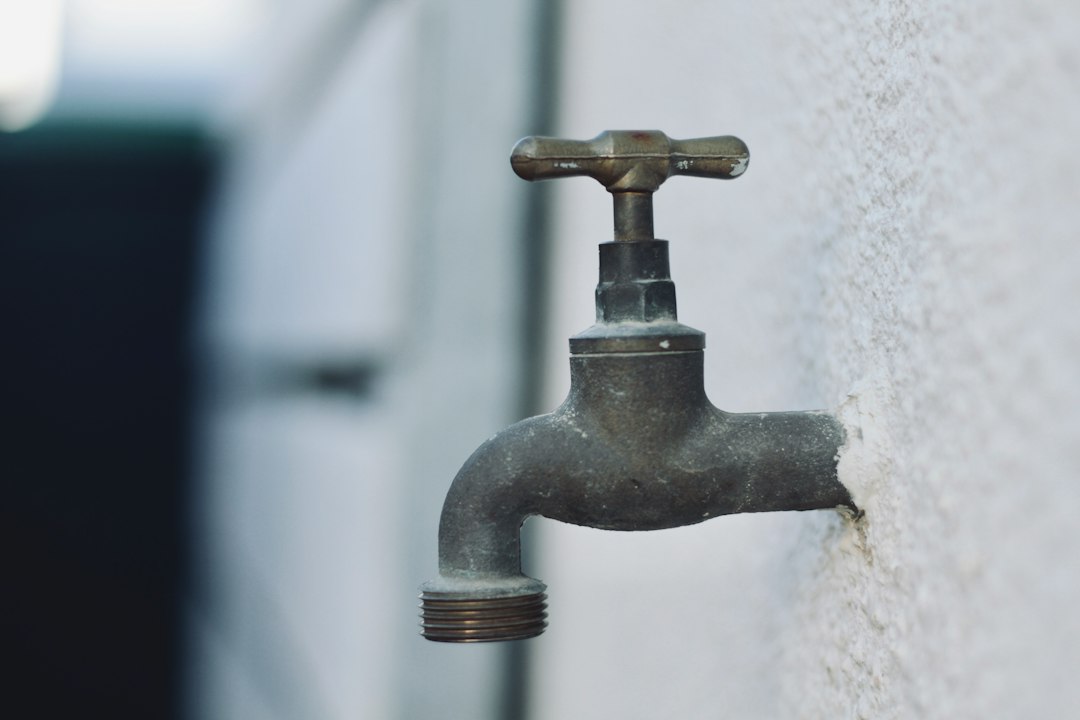
Photo by Jonathan delange on Unsplash.
2. Insulate exposed water lines
Fit suitable pipe sleeves or other purpose-made insulation around accessible hot and cold water lines in unheated spaces. Also check whether the surrounding attic, basement, or crawl space needs insulation. Insulation slows heat loss, but it does not replace adequate heat in a space or fix a pipe that is already frozen. Follow product instructions and keep insulation clear of heat-producing equipment and required access points.
3. Use heat cable only when it is suitable for the pipe
For particularly vulnerable exposed pipes, a listed heat cable or heat tape may be an option. Choose a product approved for the pipe material and location, and follow its installation, spacing, insulation, and electrical instructions exactly. Do not improvise a heating arrangement or cover a product in a way its manufacturer prohibits. If you are uncertain, have a qualified professional assess the installation.
4. Winterize irrigation and pool lines
Drain or winterize pool and sprinkler supply lines according to the system manufacturer’s or installer’s directions. Do not pour automotive antifreeze or another chemical into plumbing or irrigation lines unless the system manufacturer specifically directs you to use an approved product for that purpose.
How to protect pipes during an extreme cold spell
- Keep the indoor temperature steady. Avoid turning the thermostat sharply down overnight during very cold weather. If you will be away, the American Red Cross advises keeping the home heated and setting the thermostat no lower than 55°F (about 13°C).
- Open sink cabinet doors. This allows warmer room air to reach plumbing on exterior walls. Move cleaners and other hazardous products out of children’s reach before leaving doors open.
- Let a vulnerable faucet drip when conditions call for it. During very cold weather, a small, steady trickle of cold water from a faucet served by an exposed pipe can help reduce the chance of freezing. Focus on the faucet connected to the vulnerable line rather than assuming every tap needs to run.
- Keep the garage door closed if water supply lines run through the garage.
- Check vulnerable areas. During a prolonged freeze, periodically look at accessible pipes in garages, basements, crawl spaces, and under sinks for signs of frost, unusual condensation, or leaks.
These are risk-reduction steps, not a guarantee that a pipe cannot freeze. The Red Cross explains that even a small flow of water can help, and recommends maintaining a consistent indoor temperature during severe cold. See its full prevention and thawing instructions for additional details.
How to tell if a pipe may be frozen
A faucet that suddenly produces only a trickle—or no water at all—can indicate a frozen supply line. Check other faucets to see whether the problem is isolated or affects more than one area. Pipes against exterior walls and near the point where the water service enters the home are common places to investigate.
If you suspect a frozen pipe, keep the affected faucet open. As ice melts, water can begin moving through the line. If you can safely reach the frozen section, use gentle, indirect heat such as an electric heating pad, a hair dryer, or towels soaked in hot water. A portable space heater may be used only if it can be kept well away from water and all combustible materials, and attended according to its instructions.
What not to do when thawing a frozen pipe
Never use a blowtorch, propane or kerosene heater, charcoal stove, or other open flame to thaw plumbing. Open flames can start a fire, damage the pipe, or create other hazards. Do not use an improvised heating device or leave a portable heater unattended. If the pipe is hidden, inaccessible, near electrical equipment, or you cannot safely apply heat, stop and contact a licensed plumber.
What to do if a frozen pipe bursts
If a pipe cracks or water starts escaping, shut off your home’s main water supply as soon as you can do so safely. If you need help locating the valve, use our guide: How to Find Your Main Water Shut-Off Valve Before an Emergency. Keep clear of wet electrical equipment or standing water near outlets; do not touch electrical devices in a wet area. Then contact a qualified plumber to repair the pipe and check for hidden damage.
After a frozen section thaws, inspect accessible areas carefully for drips, cracks, damp insulation, or water stains. A damaged pipe may not leak visibly until the ice has melted and water pressure returns. If you notice a leak, shut off the water and arrange a repair rather than simply wrapping the pipe and putting it back into service.
A simple winter plumbing checklist
- Remove, drain, and store outdoor hoses.
- Drain exterior faucet lines where an indoor shutoff is provided and the faucet is designed for that procedure.
- Insulate exposed pipes in unheated areas.
- Winterize irrigation and pool lines according to their instructions.
- Keep the home heated and protect pipes during severe cold.
- Know where the main water shutoff valve is located.
Preparing before the temperature drops is easier than dealing with a burst pipe afterward. Check exposed plumbing each fall, protect vulnerable areas during cold snaps, and bring in a licensed plumber whenever a pipe is inaccessible, damaged, or unsafe to thaw yourself.
Reference: American Red Cross — Preventing & Thawing Frozen Pipes.
Featured photo by Immo Wegmann on Unsplash.