A small leak can cause substantial damage if nobody is home to notice it. Before leaving for a long trip, take a few minutes to review visible plumbing, check appliances and make sure someone can respond if a problem occurs. The right preparation depends on the season, the length of the trip and the equipment installed in your home.
Check for active leaks
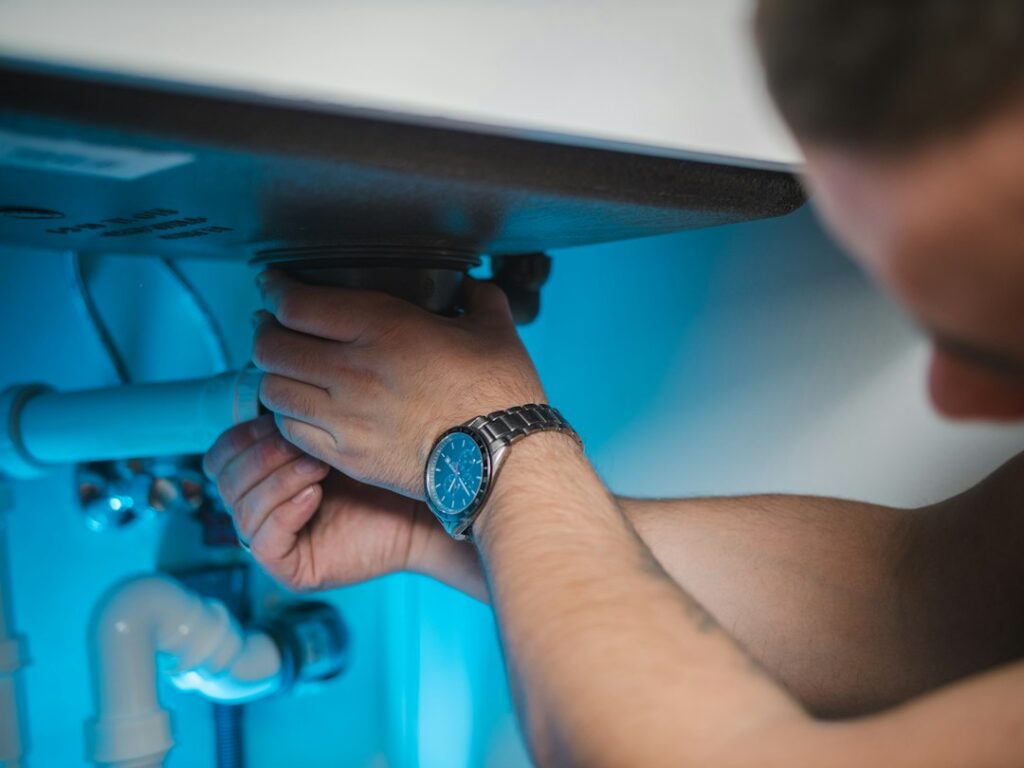
Inspect beneath kitchen and bathroom sinks, around toilets, near the water heater and around washing-machine connections. Look for dampness, rust, water stains or hoses that are cracked or bulging. Arrange repairs before departure rather than assuming a small drip will remain small.
Review appliance hoses
Washing machines, dishwashers and refrigerators with water dispensers use supply connections that can leak. Check accessible hoses for wear and follow the appliance manufacturer’s recommendations for replacement. Do not pull appliances out or disconnect connections if you are not confident you can do so safely.
Decide whether to shut off the water
Some homeowners choose to close the main water valve during an extended absence, but this is not suitable for every property. Certain fire-sprinkler systems, boilers, cooling equipment, humidifiers and other appliances may require a water supply. Ask a qualified plumber or relevant system provider whether shutting off water is appropriate for your home.
Protect outdoor plumbing
In freezing weather, disconnect garden hoses and prepare hose bibs and exposed pipes according to their design and local climate. In warm weather, inspect irrigation timers and outdoor connections for leaks. Make sure water is not being directed toward the foundation.
Make the home easy to respond to
- Show a trusted neighbour or house sitter where the main shut-off valve is.
- Leave contact details for your plumber and property manager.
- Keep the path to the shut-off valve clear.
- Set up a plan for checking the home during a long absence.
- Consider a suitable leak-detection device or automatic shut-off system, installed according to its instructions.
Do not overlook temperature and heating
During cold weather, maintain a safe indoor temperature consistent with your heating-system instructions and local conditions. Do not turn the heat off if doing so could allow pipes to freeze. If the property will be vacant for an extended period, ask a professional about winterization options and any effects on appliances or plumbing traps.
When you return
Look and listen for leaks before using fixtures normally. If you closed a valve, restore water gradually while watching for leaks and follow any appliance restart instructions. If you notice a sudden pressure change, water staining or unusual noise, stop and contact a plumber.
Frequently asked questions
Should I turn off my water heater before travelling?
Follow the manufacturer’s instructions for vacation or away settings. The correct choice depends on heater type, trip length and household equipment.
Is a smart leak detector worth considering?
It can provide an alert when water is detected, and some systems can close a valve automatically. Choose a product compatible with your plumbing and consider professional installation.
What if I discover a leak after returning?
If safe, close the relevant shut-off valve or main supply, keep clear of electrical hazards and contact a qualified plumber. Document damage and contact your insurer if appropriate.