Knowing how to stop the flow of water is one of the most useful plumbing skills a homeowner can have. A failed supply hose, leaking fixture or burst pipe can cause damage quickly. Finding the correct shut-off valve before an emergency gives you time to act calmly and call for help.
Find the main water shut-off valve
In many US homes, the main shut-off is near where the water service enters the building. Look in a basement, crawl space, utility room, garage or near an exterior wall. In warmer regions it may be in an outdoor meter box. The exact location varies by home and local utility arrangement.
Recognize common valve types
A ball valve usually has a lever handle. When the lever is parallel to the pipe, it is generally open; when turned a quarter-turn perpendicular to the pipe, it is generally closed. A gate valve often has a round wheel that turns several times. If a valve is corroded, stuck or leaking around its stem, do not force it—call a plumber or your water utility for guidance.
Use local fixture shut-off valves when possible
Sinks and toilets often have small shut-off valves on the supply lines. Turning the appropriate valve clockwise commonly closes a multi-turn valve, while a quarter-turn valve closes by turning its handle across the pipe. Designs differ, so stop if the valve resists or begins leaking. Closing the local valve can stop a fixture leak without interrupting water to the entire home.
What to do during a leak
- Keep people away from standing water near electrical outlets, appliances or wiring.
- If safe to reach, close the relevant fixture valve or the main water shut-off.
- Open a low-level faucet briefly to help relieve pressure and drain remaining water, if safe.
- Move belongings away from the leak and use towels or a bucket for small amounts of water.
- Contact a qualified plumber. If water is near electrical equipment, do not enter the area; contact emergency services or the appropriate utility.
Test and maintain valves carefully
Do not wait for an emergency to discover that a valve is seized. Visually inspect accessible valves for corrosion, moisture and damage. If a valve needs exercising, ask a plumber to check it rather than forcing an old or fragile valve. Label the main shut-off and keep the path to it clear.
Create a household water emergency plan
Show household members where the valve is and how to identify it. Keep the plumber’s contact details nearby and consider placing a simple label at the valve. If you live in a rental property, ask the landlord or property manager where the shut-off is and what steps tenants should take.
Frequently asked questions
Should I turn off the main water when I leave home?
That depends on the length of absence, plumbing condition and appliance requirements. Follow appliance instructions and ask a plumber or insurer about the best approach for your property.
Can I turn a stuck shut-off valve with pliers?
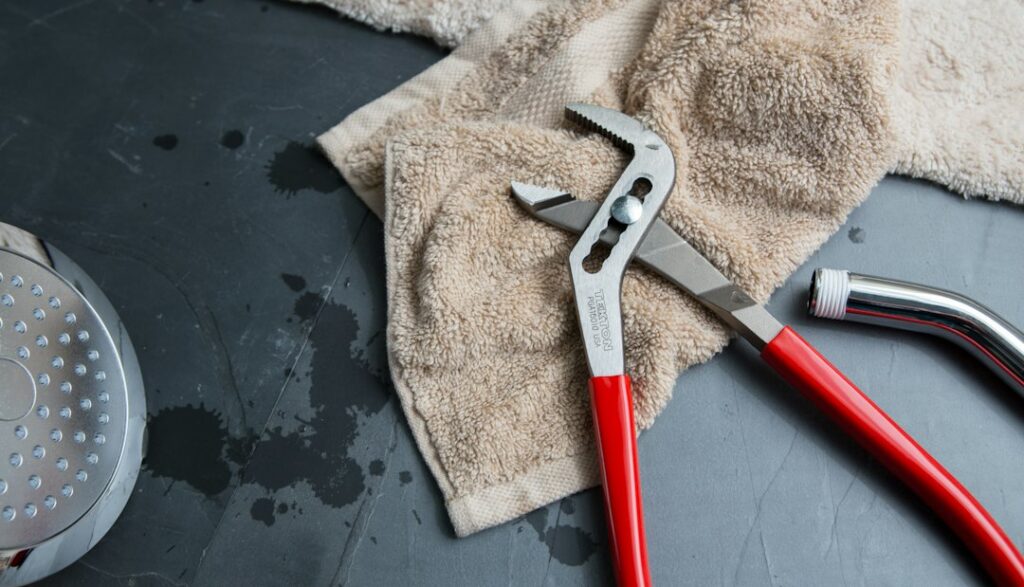
Do not force it. Excessive force can break the valve or pipe and make the leak worse. Have a plumber service or replace it.
Where is the water shut-off in a house without a basement?
It may be in a garage, utility closet, crawl space, near the water heater or in an exterior meter box. Check the home inspection report or ask the water provider or plumber.