Plumbing maintenance is easier when it becomes part of a regular home-care routine. Seasonal checks can help identify small issues before they become urgent, especially before freezing weather, heavy rain or a long period away from home. This checklist focuses on visible, homeowner-safe observations rather than repairs that require a licensed professional.
Every month
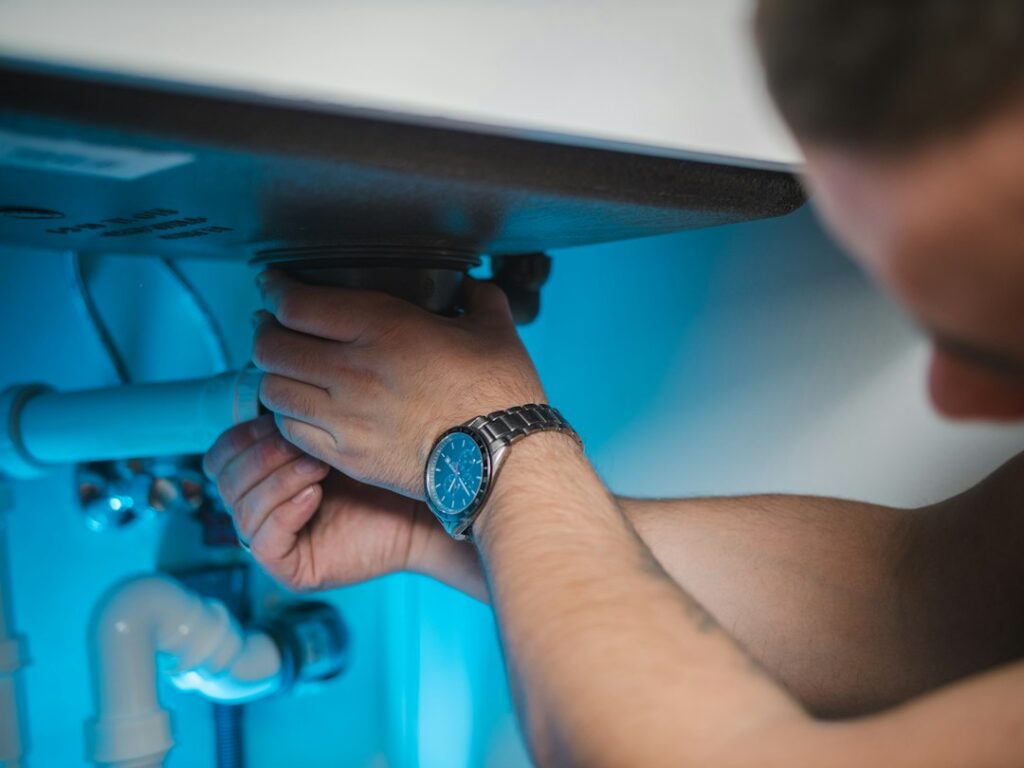
- Look beneath sinks for dampness, corrosion or damaged supply hoses.
- Check around toilets for moisture, rocking or water marks at the base.
- Notice changes in water pressure, drainage speed or unusual pipe noises.
- Check exposed pipes and the water heater area for visible leaks.
- Keep the main water shut-off accessible and make sure household members know its location.
Before winter
Disconnect garden hoses, drain outdoor hose bibs as directed by their design and install suitable faucet covers where appropriate. Insulate exposed pipes in vulnerable areas using materials suited to the pipe and location. Seal drafts around pipe penetrations without blocking required ventilation. If a pipe freezes, do not use an open flame to thaw it; call a plumber if you cannot safely restore flow.
Before spring and heavy rain
Check that sump-pump discharge lines are clear and that the pump area is free of debris. Follow the pump manufacturer’s instructions for testing. Look for signs of water intrusion around the foundation and inspect visible outdoor drains. If a sump pump fails or water is entering the home, contact a qualified service professional promptly.
During summer
Inspect irrigation connections and outdoor faucets for leaks. Watch for unexplained increases in the water bill, which can sometimes indicate a hidden leak. Make sure hoses and sprinkler systems do not discharge water toward the foundation. If you have a pool or outdoor kitchen, follow the equipment maker’s maintenance instructions.
Before a vacation
Check for active drips, confirm appliances are operating normally and ask a trusted person to look in on the home during a long absence. Whether to shut off the main water depends on the property, heating system, fire-protection equipment and appliance needs; seek professional advice before changing normal operation.
Keep a simple maintenance record
Record the date of inspections, repairs, water-heater service and replacement of hoses or fixtures. Save appliance manuals and note the location of shut-off valves. These records help a plumber diagnose recurring issues and can be useful when planning future maintenance.
When to call a professional
Arrange prompt help for recurring clogs, sewage odors, hidden leaks, discolored water, a water heater that leaks, or a sudden unexplained pressure change. Gas, electrical, sewer and major pipe work should be handled by qualified professionals in accordance with local requirements.
Frequently asked questions
How often should a homeowner inspect plumbing?
A quick visual check monthly and a more thorough seasonal review is a practical routine for many homes. Older systems or previous leak problems may need more attention.
Does home insurance cover plumbing maintenance?
Routine maintenance is generally different from sudden accidental damage. Coverage varies by policy, exclusions and cause, so review your policy and contact your insurer with questions.
Should I flush my water heater every year?
Maintenance needs vary by model, water quality and manufacturer guidance. Follow the owner’s manual and use a qualified technician if you are unsure or the unit shows signs of trouble.